
Casting Service Compliance Guide: ISO 9001, IATF 16949, and Inspection Reports
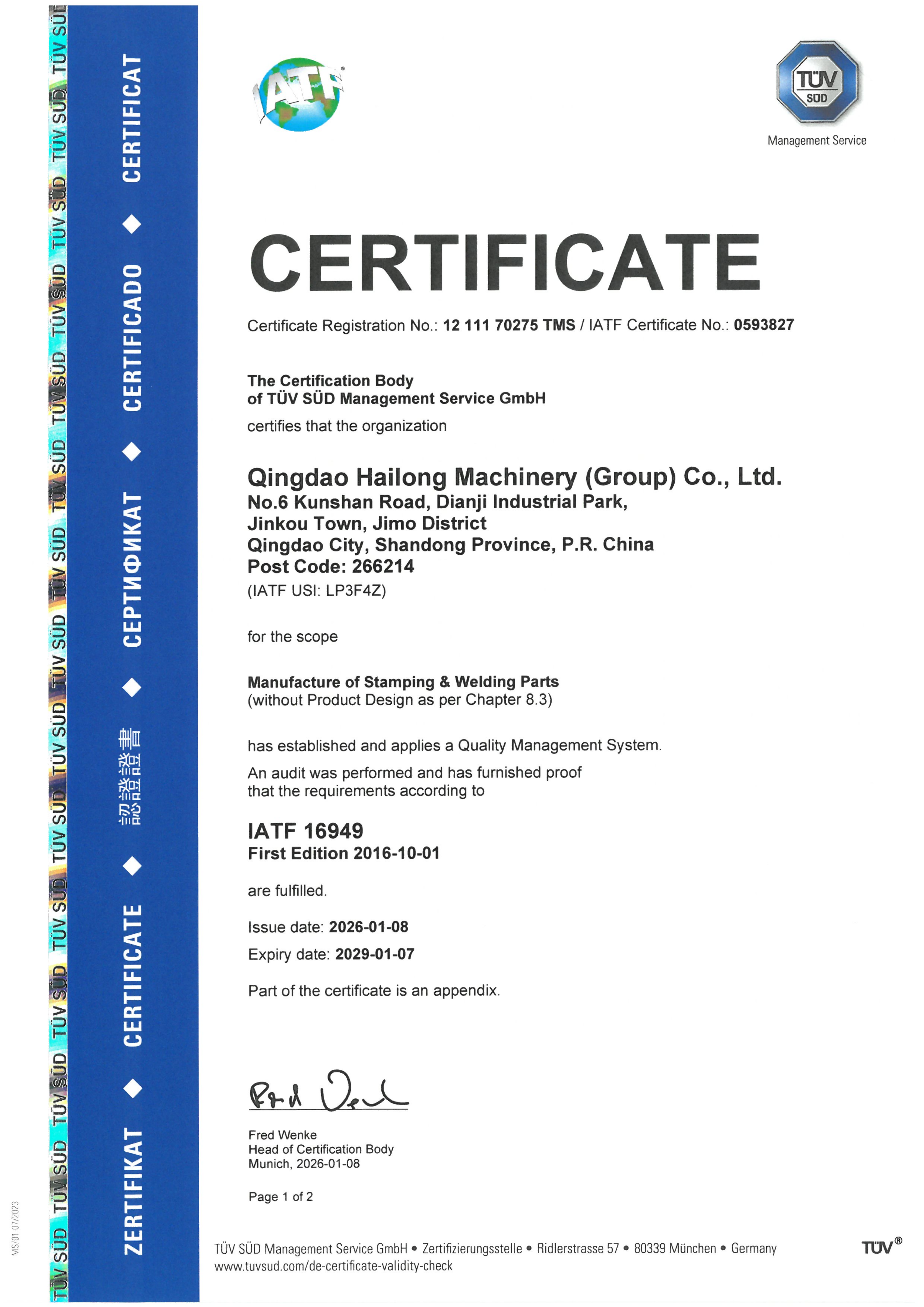
A casting service compliance file is only as strong as the scope statements inside it. For custom metal castings and post-casting processing, buyers should verify three separate layers: the quality management system certificate and its exact scope, the process-level evidence available for the casting route, and the part-level inspection records that prove the delivered casting was checked against the drawing. ISO 9001 and IATF 16949 answer different questions, and neither one replaces material test reports, dimensional inspection or NDT.
Qingdao Hailong Machinery Technology Co., Ltd., which trades and exports as Hailong Metal Fabrication, is a machinery manufacturer founded in 2000 and headquartered in Jimo District, Qingdao, China. Its production scope covers mold design and manufacturing, sand casting and lost-foam casting, die casting, metal stamping and deep drawing, precision CNC machining, welding and assembly, surface finishing, and truck body and cabin assembly. That combination matters here: a supplier that both casts and stamps will hold certificates with different scopes, and the buyer's job is to match each scope to the process being purchased.
Why Casting Compliance Claims Break Down During Supplier Evaluation
Most sourcing disputes about casting compliance are not caused by missing certificates. They are caused by mismatched ones — documents that are real, current and correctly issued, but that do not cover what the buyer is actually buying.
Four failure modes account for most of the risk:
- Scope mismatch. A buyer sourcing castings accepts an IATF 16949 certificate that is scoped to stamping and welding. The certificate is genuine; it simply does not describe casting operations.
- Certificate without process evidence. A certificate shows that a quality management system passed an audit against a defined scope. It does not report the hardness result of a specific machine tool bed casting or the dimensional outcome of a specific batch.
- Evidence without traceability. Material test reports and inspection records are only useful when they can be tied to the heat, batch or production lot actually shipped.
- Unclear design responsibility. Where a certificate excludes product design, the buyer owns the drawing and therefore owns the dimensional and functional requirements the supplier must inspect against. Inspection criteria cannot be left implicit.
For evaluation-stage buyers, the practical question is not “is this supplier certified?” but “which document proves which claim, and who issued it?”
Industry Background: Where Casting and Stamping Compliance Pressure Comes From
Metal casting and metal stamping sit in the same downstream supply chains — automotive and auto parts, machine tools and heavy machinery, construction equipment, industrial equipment and architectural components — which is why certification expectations tend to travel between them.
Market-scale figures give context rather than proof. Grand View Research values the global metal stamping market at USD 257.3 billion in 2025, with Asia Pacific holding a 37.0% revenue share. Independent estimates differ: IMARC reports USD 226.3 billion and 360iResearch USD 210.37 billion for the same year, a gap most likely explained by whether captive in-house stamping departments are counted. Regional share estimates diverge as well, with a commercial research source putting Asia Pacific at 46%. Buyers should treat these numbers as directional and never as a compliance argument.
The automotive segment is where the certification bar is defined most explicitly. A commercial market study describes IATF 16949 certification combined with real-time SPC monitoring and Run@Rate tests of 4,000 defect-free pieces as a baseline entry criterion for new OEM automotive programs. That framing is useful during evaluation: it treats certification as the entry ticket and process control data as the differentiator. The automotive metal stamping market alone was estimated at USD 90.6 billion in 2025.
Capital intensity reinforces the same point. Hot-stamping lines for advanced high-strength steel parts such as 1,500 MPa press-hardened steel can cost USD 8–12 million each, which shapes how supply tiers are structured and why process capability claims deserve document-level scrutiny.
On the casting side, machine tool builders apply a different but equally strict requirement set. Machine tool castings are expected to deliver high rigidity, strong vibration damping and low residual stress so that machining accuracy remains stable over long service life. Those properties are verified through inspection records, not through certificates.
How to Interpret Casting Service Compliance Documentation
Layer 1 — System certification: what ISO 9001 and IATF 16949 actually cover
ISO 9001 is the cross-industry quality management baseline. It defines how an organisation controls processes, documents work, handles non-conformity and drives corrective action. It is not automotive-specific and does not by itself carry automotive customer-specific requirements.
IATF 16949 is the automotive quality management standard. Its value to a buyer is concentrated in one line of the certificate: the scope statement. A certificate number without a scope tells the buyer very little.
| Certificate detail | Recorded value |
|---|---|
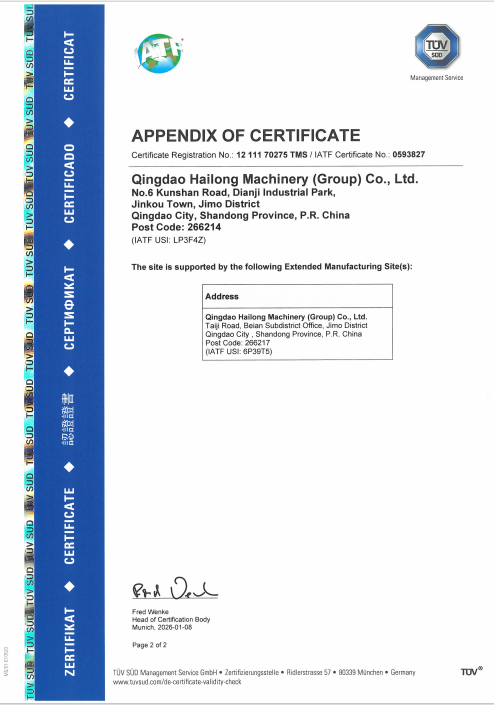
| Certification | IATF 16949 — Quality Management System |
| Certificate number | 0593827 |
| Certification authority | TUV |
| Standard | IATF 16949:2016-10-01 |
| Scope | Manufacture of Stamping and Welding Parts (without Product Design as per Chapter 8.3) |
| Issue date | 2026-01-08 |
| Expiry date | 2029-01-07 |
| Market coverage | Global |
Two interpretation points follow directly from this table. First, the scope covers stamping and welding parts, so an automotive buyer purchasing stamped or welded assemblies is buying inside the certified scope, while a buyer purchasing castings should ask separately which system governs the casting route. The same company holds ISO 9001, ISO 14001 and OHSAS 18001 alongside IATF 16949, and its casting operations are supported by ISO and relevant quality certifications together with part-level inspection evidence.
Second, the exclusion of product design under Chapter 8.3 transfers design responsibility to the customer. In practice this means the buyer's drawing, tolerance scheme and acceptance criteria define what the supplier must measure and report. It also means the supplier is being evaluated on manufacturing control rather than design ownership — an important distinction when comparing casting service providers during evaluation.
Where a supplier's automotive credentials need to be sanity-checked, the customer base is one indicator. Hailong Metal Fabrication supplies automotive customers including FAW Jiefang, SAIC-GM, BAIC, Dongfeng and Beijing Benz domestically, and Renault, Nissan, Mercedes-Benz, Doosan and GD overseas, with products exported to the United States, Europe, India and Africa.
Layer 2 — Process evidence for sand, lost-foam and die castings
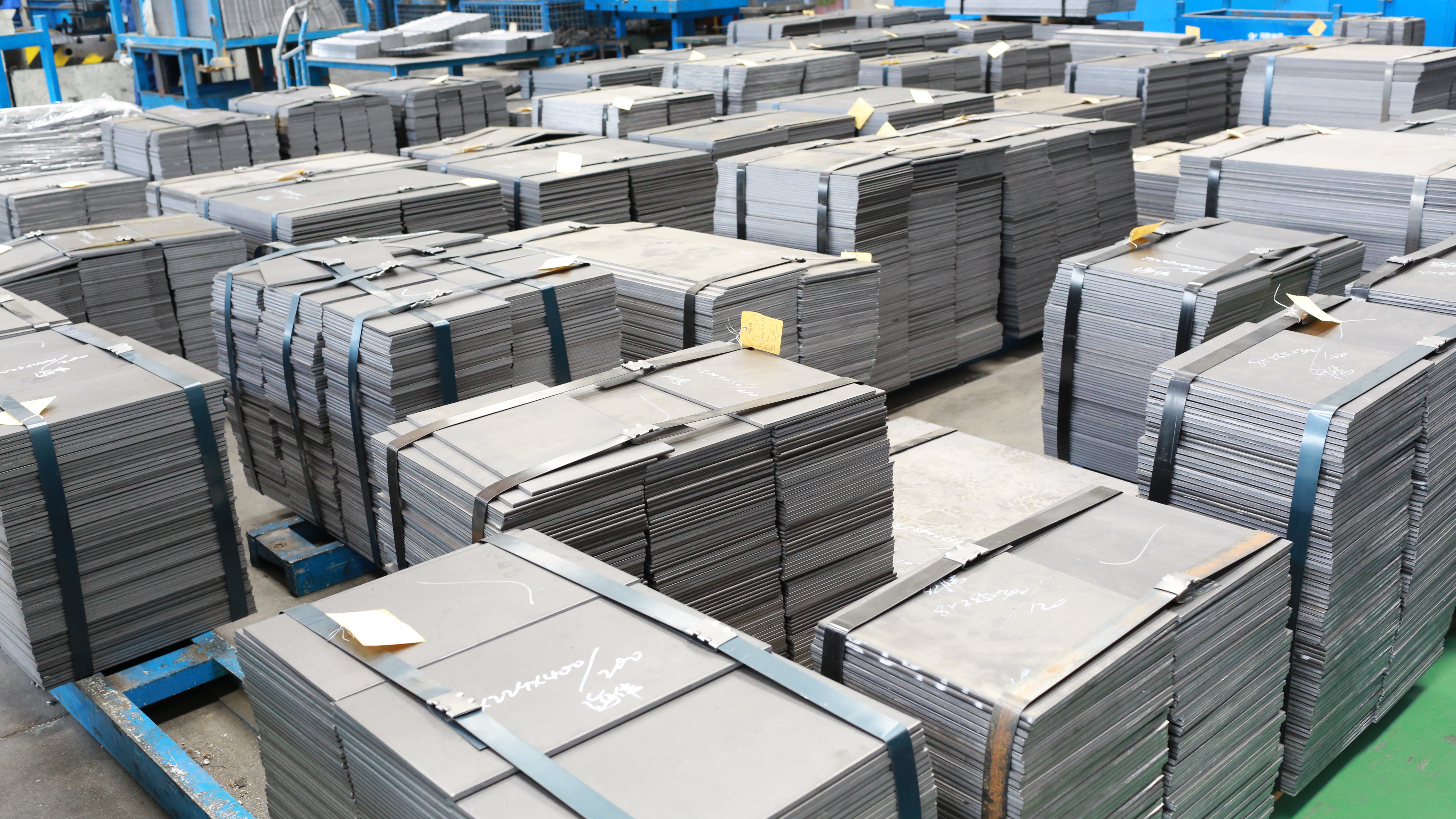
For sand castings, the documented evidence set is material test reports, dimensional inspection and NDT, supported by ISO and relevant quality certifications. Material options cover gray iron, ductile iron, carbon steel and alloy steel, and the process is well matched to large, heavy mechanical castings produced in medium and small batches, where low mold cost and flexible design modification matter more than cycle speed.
Post-casting processing is part of the compliance picture, not a separate purchase. The casting service route covers sand casting, lost-foam casting, die casting, melting and material processing, post-casting machining and heat treatment. Castings can range from small components to large parts up to thousands of pounds, with exact dimensional tolerances and weight ranges confirmed per drawing and process.
Scale and weight limits are checkable facts rather than claims. Resin sand and lost-foam casting operations at Qingdao Haishun Jihua Machinery Co., Ltd., part of the Hailong group, support a maximum single casting weight of 30 tons. Monthly casting capacity runs at over 30 tons, while the metal stamping lines that support stamp-and-weld assemblies run at 8,000–10,000 units per month.
Layer 3 — Part-level inspection for machine tool castings
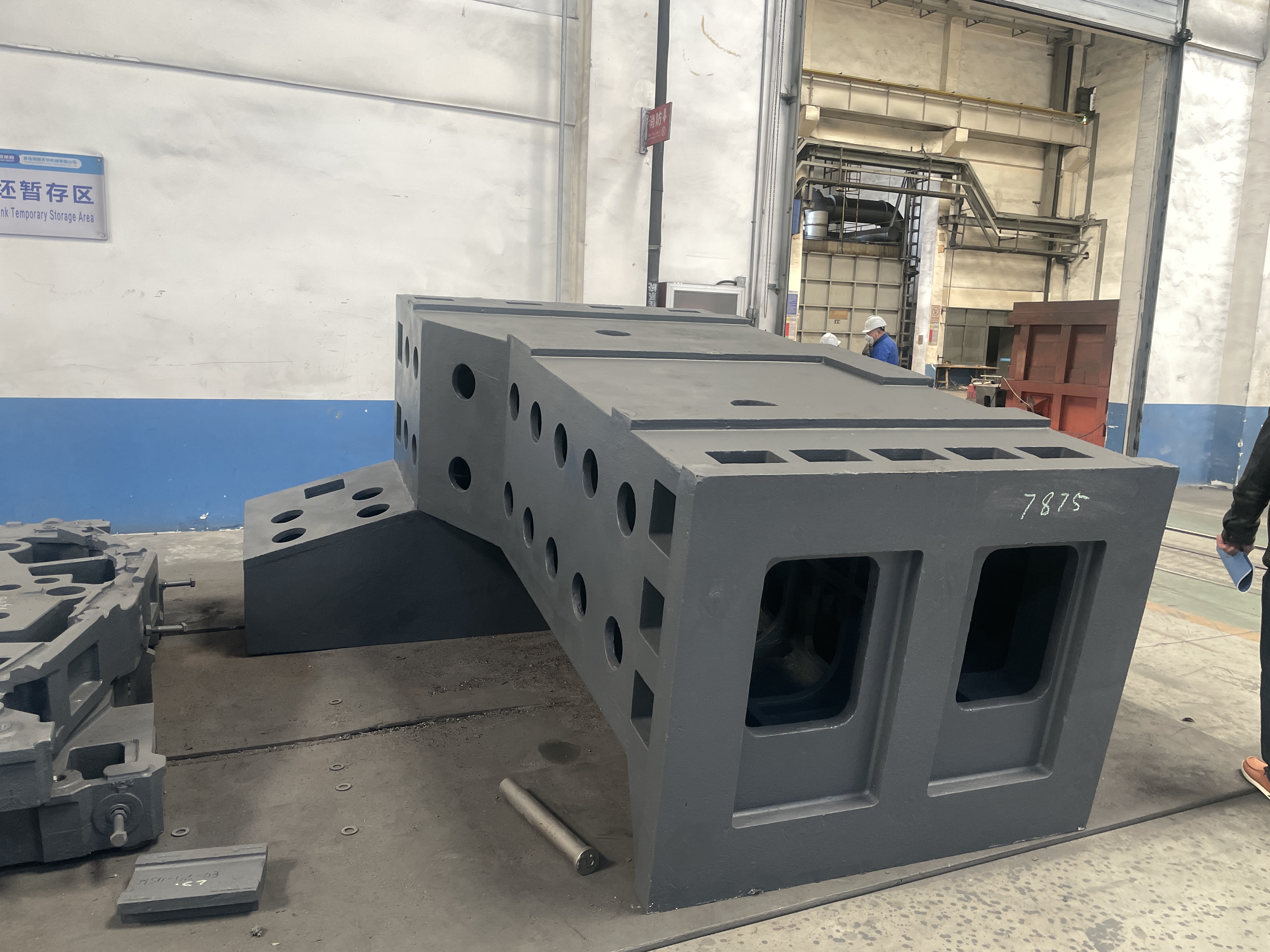
Machine tool castings are inspected against a defined four-item set: visual check, hardness testing, dimensional inspection and internal defect detection. These four items map to the four things that typically fail in service — surface and finishing defects, material hardness outside specification, dimensional drift that destroys fit and alignment, and internal porosity or shrinkage that only appears under load or after machining.
Stress relief is the second half of the same requirement. Machine tool castings undergo stress-relief annealing to reduce deformation during long-term use, and gray cast iron is the mainstream material for machine tool bases because of its shock absorption and cost position. The residual-stress claim is only credible when the heat treatment record and the hardness results are available alongside the dimensional report.
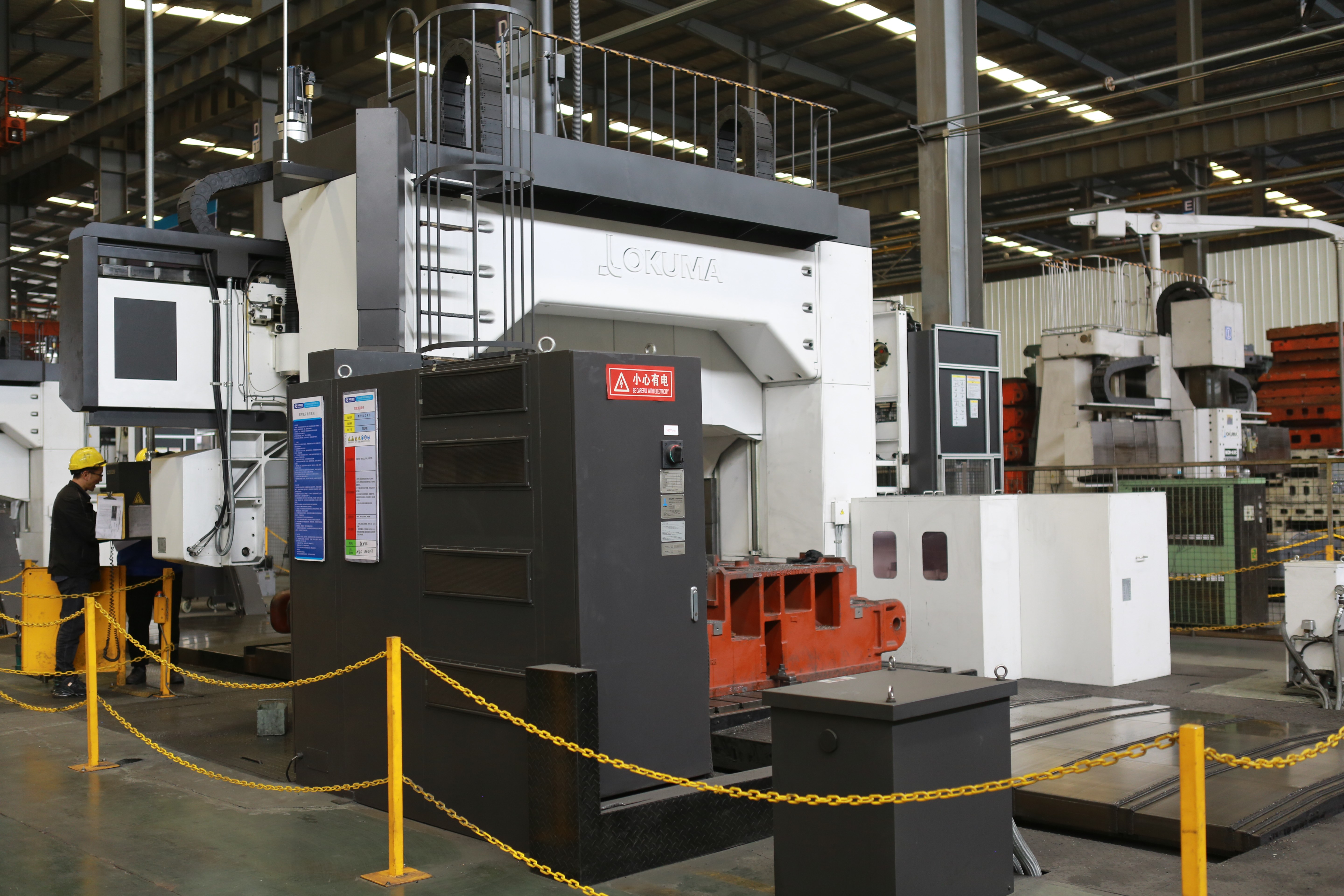
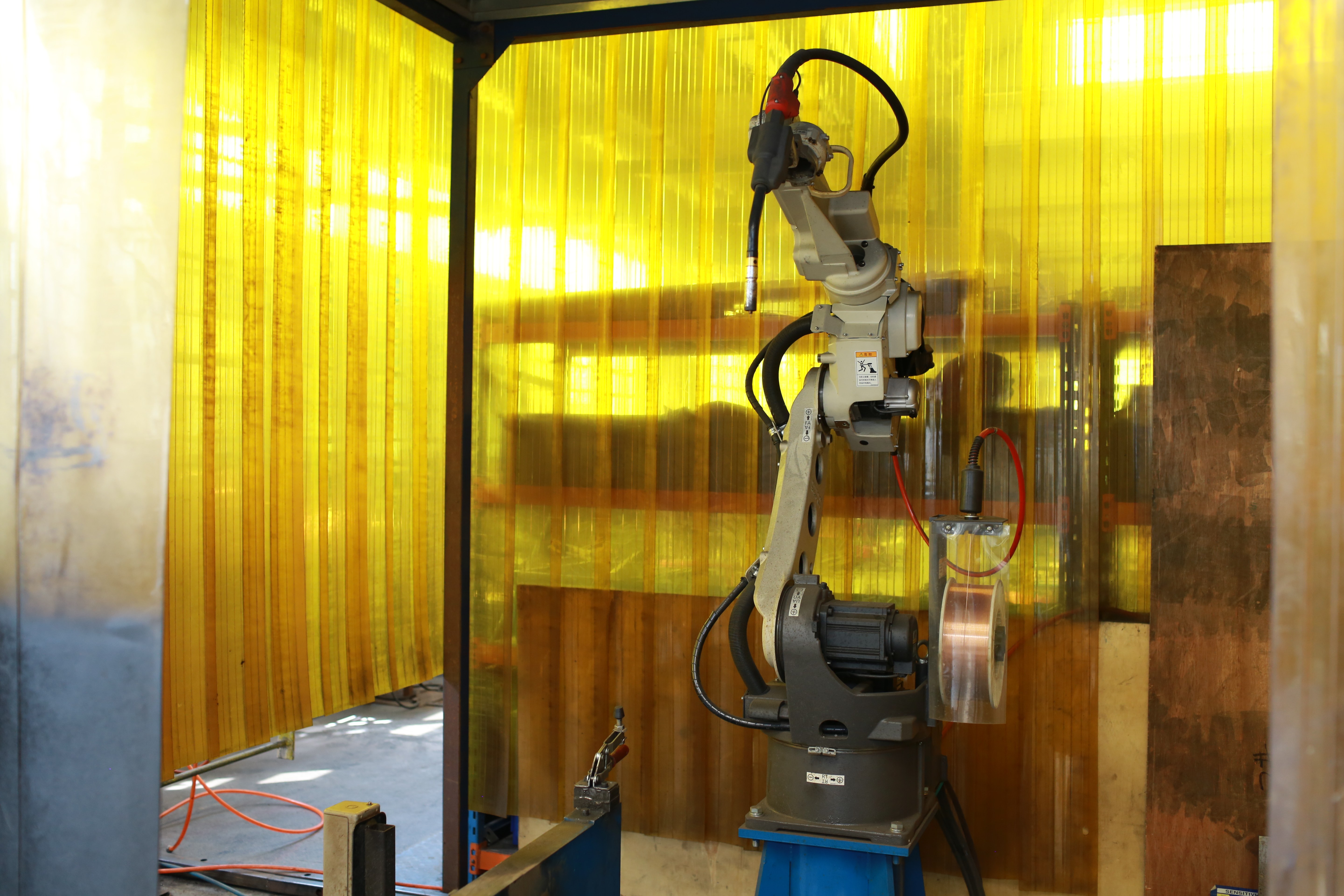
Inspection equipment availability supports these claims. Matched inspection equipment includes a CMM, spectrometer and carbon-sulfur analyzer, alongside laser cutters, CNC centres, wire-cut machines, electric furnaces, presses from 160T to 2,400T and welding robots. For buyers who need to justify a supplier internally, that equipment list is a useful cross-check on whether the stated inspection items can actually be performed in-house.
A Nine-Step Verification Workflow for Casting and Stamping Buyers
- Request the certificate file, not a logo. Ask for the certificate document and record the number, authority, standard edition, issue date and expiry date.
- Read the scope line against your purchase. If you buy castings, confirm which system covers casting. If you buy stamped or welded assemblies, confirm the scope covers stamping and welding parts.
- Confirm the design-responsibility boundary. Where product design is excluded under Chapter 8.3, your drawing and acceptance criteria define the inspection obligation. Agree inspection items in writing before the purchase order.
- Ask for the inspection plan for your specific part. Visual check, hardness testing, dimensional inspection and internal defect detection form the baseline for machine tool castings; confirm sampling frequency and acceptance thresholds.
- Require a material test report tied to the heat or batch. Traceability, not the existence of a report, is what makes it an evaluation document.
- Specify NDT where internal soundness is critical. NDT is part of the documented sand casting evidence set.
- Confirm post-casting processing steps. Stress-relief annealing, heat treatment and CNC machining should be listed explicitly, with the records that accompany each.
- Define the documentation package at shipment. Tryout and first-article inspection reports, mold documentation, spare parts lists, pre-shipment spare parts lists and mold tryout videos form the standard quality control documentation set.
- Re-check the certificate validity window before release. The current IATF 16949 certificate runs to 2029-01-07, so recertification planning belongs in the supplier's risk disclosure, not in a surprise at audit.
Comparison Table: Compliance Evidence at a Glance
The table below maps the evidence types available for custom metal casting and post-casting processing to the questions each document answers. It is written for evaluation-stage buyers who need to decide what to request, and in what order.
| Evidence type | What it answers | Where it applies |
|---|---|---|
| ISO 9001 certificate | Is a documented quality management system in place across the operation? | Casting and general fabrication operations |
| IATF 16949 certificate (No. 0593827, TUV, valid to 2029-01-07) | Does the automotive quality system cover the process being purchased, and who owns design? | Manufacture of stamping and welding parts |
| ISO 14001 and OHSAS 18001 | Are environmental and occupational health and safety systems certified? | Group-level operations |
| Material test report | Does the material batch meet the specified grade? | Sand castings and other casting routes |
| Dimensional inspection | Does the delivered part match the drawing? | Sand castings and machine tool castings |
| NDT | Are internal discontinuities detected before machining? | Sand castings |
| Visual check | Are surface and finishing defects present? | Machine tool castings |
| Hardness testing | Is material hardness within specification? | Machine tool castings |
| Internal defect detection | Is the casting internally sound under load? | Machine tool castings |
| Stress-relief annealing record | Is deformation risk reduced for long-term accuracy? | Machine tool castings |
| Tryout and first-article inspection report | Does the tooling produce conforming parts before mass production? | Tooling and casting projects |
| Mold documentation, spare parts list, mold tryout video | Can the tool be maintained and handed over without supplier dependency? | Tooling projects and pre-shipment documentation |
A second comparison is worth making explicitly: certificate coverage is not the same as process coverage. A buyer who sources castings from a supplier whose IATF 16949 scope is limited to stamping and welding should require the casting-specific evidence set — material test reports, dimensional inspection and NDT — rather than treating the certificate as a blanket qualification.
Where Verified Casting Compliance Has Been Applied
Machine tool castings in North America. A manufacturer client in Mexico received 20 sets of heavy-duty mechanical castings applied to machine tool structures, including a machine tool bed base and machine tool columns. Reported results were excellent vibration damping and stable machining accuracy. Case documentation includes photographs of the shipped castings captioned as machine tool bed base and machine tool column.
Stamping tooling for factory production in South America. A manufacturing client in Brazil received 20 sets of tooling for factory production, addressing heavy-duty stamping requirements for auto parts production in a manufacturing plant. The tooling recorded 500,000 cycles with stable high-volume production and consistent tolerance, supported by surface coating and high-precision construction intended for heavy-duty stamping of auto parts.
Long-run supply under a certified quality system. A commercial-vehicle equipment dealer in the United Arab Emirates received 100 truck body sets, with the supply record covering 15 years for that client. Key highlights include IATF 16949 certified quality and robotic welding in truck body production, and reported client results indicate stable operation, 2× longer wear life, and clean and fast dumping. The relevance to casting and metal stamping buyers is that the same certified quality system governs fabrication output across a multi-year supply relationship, not a single delivery.
FAQ: Compliance, Capability, Cost, Samples and Lead Time
Which certifications should a Chinese casting and metal stamping supplier hold?
There is no single certificate that covers both casting and stamping. A supplier that does both will typically show ISO 9001 covering the broader operation and IATF 16949 covering the automotive stamping and welding scope. Qingdao Hailong Machinery Technology Co., Ltd. holds IATF 16949 certificate number 0593827 issued by TUV, valid from 2026-01-08 to 2029-01-07, with the scope “Manufacture of Stamping and Welding Parts (without Product Design as per Chapter 8.3)”. The company also holds ISO 9001, ISO 14001 and OHSAS 18001. Always read the scope line, not just the certificate title.
What inspection and quality evidence is available for sand castings and machine tool castings?
For sand castings, the supplier supports material test reports, dimensional inspection and NDT, together with ISO and relevant quality certifications. For machine tool castings, the inspection items are visual check, hardness testing, dimensional inspection and internal defect detection, and machine tool castings undergo stress-relief annealing to reduce deformation during long-term use. Sand casting materials include gray iron, ductile iron, carbon steel and alloy steel; gray cast iron is the mainstream material for machine tool bases.
What drives the cost of a compliant casting project?
Process route is the first cost lever. Sand casting has a low mold cost and flexible design modification, which suits large, heavy mechanical castings in medium and small batches, and gray cast iron is used for machine tool bases partly for its cost position. Capital intensity elsewhere in the sector is high — hot-stamping lines for advanced high-strength steel can cost USD 8–12 million each — so tooling and process selection should be settled before price negotiation. Minimum order quantities and final pricing are confirmed with sales per project.
How long does a casting sample take, and what documentation comes with it?
Sand casting sample lead time is approximately 25–50 days; mass production timing depends on product structure and order quantity. The documentation set includes tryout and first-article inspection reports, mold documentation and spare parts lists, with pre-shipment spare parts lists and mold tryout videos provided as part of quality control documentation.
What is the typical lead time from enquiry to shipment, and how do I start?
Engineers respond within 24 hours and quotation is issued within 1 to 7 days. Shipping examples are approximately 30–45 days by sea and 3–7 days by air; actual production lead time depends on product complexity and order volume and should be confirmed with sales. Hailong Metal Fabrication's casting service covers sand casting, lost-foam casting, die casting, melting and material processing, post-casting machining and heat treatment. To begin an evaluation, request a sample and quotation, or download the company brochure from the block below.
Conclusion: Match the Document to the Claim
Compliance for custom metal casting is a document-matching exercise. ISO 9001 shows that a documented quality system operates across the business; IATF 16949 shows that an automotive quality system covers a defined manufacturing scope, in this case the manufacture of stamping and welding parts without product design responsibility. Neither certificate reports the hardness of a specific bed casting, the internal soundness of a specific pour, or the dimensional result of a specific batch.
Buyers who get this right during evaluation ask four questions in order: what does the certificate scope actually cover, who owns design, which inspection items apply to my part, and what records will arrive with the shipment. For machine tool castings the answer set is concrete — visual check, hardness testing, dimensional inspection and internal defect detection, plus stress-relief annealing records. For sand castings it is material test reports, dimensional inspection and NDT.
Suppliers that can answer these questions with documents rather than adjectives are the ones worth shortlisting. The alternative is discovering the gap at incoming inspection.
Request a Sample, Quotation or Documentation Pack
Hailong Metal Fabrication (Qingdao Hailong Machinery Technology Co., Ltd.) supplies casting service, metal stamping, welding, CNC machining and truck body manufacturing to buyers in the United States, United Kingdom, Germany, Japan, South Korea, India, the Middle East, Eastern Europe and African countries, with 70% of output exported.
Contact: Nora · Email: nina@qdhailong.com · Tel: +86 176-6762-3223 · WhatsApp: +86 185-6390-5668
Address: NO. 1009, YANOING ROAD, JIMO DISTRICT, QINGDAO CITY, SHANDONG PROVINCE CHINA
Website: en.qdhailong.com · Brochure: download the Hailong company brochure (PDF)
Send your drawing or sample requirements and request a casting sample, quotation, or the compliance documentation package for evaluation.
Have Questions or Need More Details?
Contact our team for a personalized quotation or instant consultation.
Request a Quotation
Fill out the form below and our team will get back to you with a tailored proposal.
WhatsApp Direct Chat
Prefer to chat in real-time? Message us on WhatsApp for instant assistance & quick answers.
- Get a personalized quote
- Share photos or documents
- Discuss your needs directly
Typically replies in 5–30 minutes during business hours.