
Top Stamping Die Steel Picks for Auto Sheet Metal: Cr12MoV, SKD11, and P20
The short answer: auto sheet metal stamping dies are most often built from three grades — Cr12MoV, SKD11 and P20 — and the grade that fits a given program is decided by three inputs: the stamping material, the sheet thickness, and the production lifetime the die must deliver. The same decision sets the project clock. Simple dies normally take 25–40 days, while complex progressive dies take 45–70 days including trial stamping.
This guide is written for buyers at automotive Tier 1 and Tier 2 suppliers, appliance manufacturers, and importers who are evaluating a stamping die package rather than comparing steel data sheets. It explains what each grade does in practice, which inputs actually change the selection, how the grade choice feeds into die lead time, and what evidence should be requested before a die program is approved.
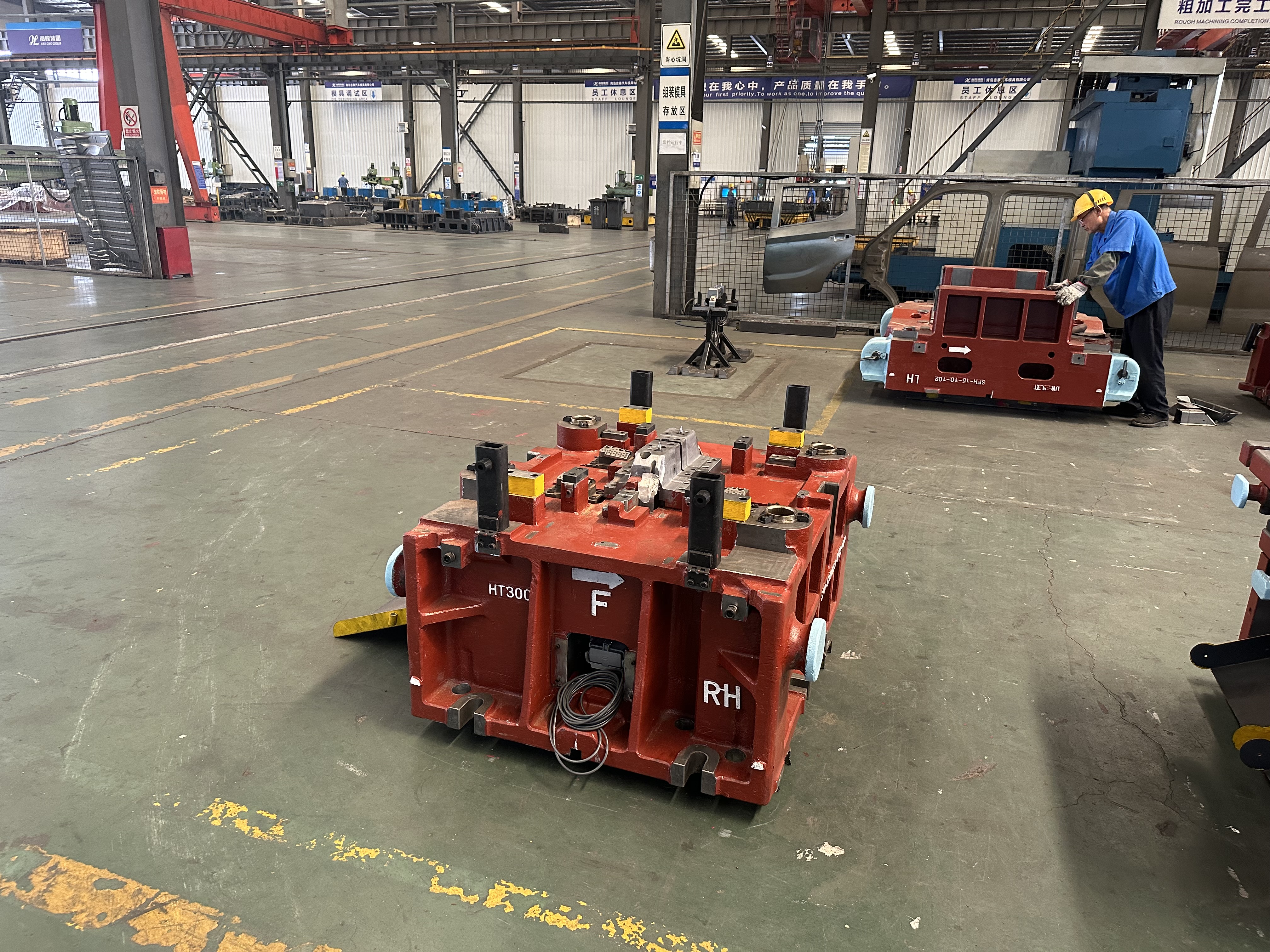
Why Die Steel Decisions Fail Long Before the First Blank Is Cut
Die steel problems usually start in the quotation, not in the die shop. A tooling package is requested, the material line reads “Cr12MoV” or is left blank, and the grade is settled by whoever can write the lowest tooling price. The symptoms surface months later: excessive regrinding, chipped cutting edges on a stronger blank, dimensional drift on a deep-drawn panel, or a die that cannot hold tolerance at the tonnage the press is actually running.
The grade name alone is rarely the root cause. A stamping die performs only as well as its die design, heat treatment, machining and fitting quality, tryout result, and the press conditions it finally runs under. That is why experienced buyers force three inputs into the conversation before the die design freezes:
- What is being stamped. The workpiece material and its condition — cold rolled steel, hot rolled steel, stainless steel such as 304 or 304L, or higher-strength automotive grades — plus sheet thickness and the surface finish the part must deliver.
- How long the die must run. The production lifetime target in cycles, and whether the program is a prototype run, a small batch, or continuous mass production.
- How the die will be built and verified. Die type, tryout, first-article inspection, and the documentation the customer’s quality system requires.
Hailong Metal Fabrication approaches the question the same way. Its die-making practice is to adopt Cr12MoV, SKD11, P20 and other grades according to the stamping material, the thickness, and the required production lifetime — not according to a fixed house rule applied to every part.
Industry Background: a USD 257 Billion Category Behind an IATF 16949 Gate
Metal stamping is a mature but very large manufacturing category, and its automotive segment behaves differently from general fabrication work.
- The global metal stamping market reached USD 257.3 billion in 2025 (Grand View Research, Metal Stamping Market Size and Share Report, 2026–2033).
- Asia Pacific accounted for a 37.0% revenue share of that market in 2025 (same source).
- Within the category, automotive metal stamping was estimated at USD 90.6 billion in 2025.
Market sizing should be read with care. Published 2025 valuations for the same category differ — IMARC has cited USD 226.3 billion and 360iResearch USD 210.37 billion — and the gap is generally attributed to whether stamping departments captive inside large OEMs are counted. For a buyer, the useful takeaway is structural rather than numeric: a large, globally distributed base of stamping capacity, in which automotive programs are governed by a stricter entry rule than general fabrication.
That rule is certification. Industry sourcing analysis describes IATF 16949 certification, with real-time SPC monitoring and Run@Rate tests of 4,000 defect-free pieces, as a baseline entry criterion for new OEM automotive programs (Market Insights, North America Automotive Steel Stamping Market Size, Share & 2031 Growth Trends Report). For a die buyer this reframes the steel question: the grade has to support a process expected to be statistically controlled and validated on a defined run rate, not merely to cut metal.
Forming technology is shifting as well. The same report notes that adoption of advanced high-strength steel (AHSS) parts, including 1,500 MPa press-hardened steel, depends on hot-stamping lines that can cost USD 8–12 million each. Not every program involves AHSS, but the direction matters: as part strength rises, die wear, springback and tooling capability become more tightly coupled, and the die steel decision carries more of the project risk.
Cr12MoV, SKD11 and P20: How the Three Grades Fit Different Stamping Scenarios
All three grades appear in tooling packages for a reason, but they do not do the same job in the same scenario. The descriptions below separate what Hailong states about its own practice from the general positioning of each grade family in die-making work.
Cr12MoV
Cr12MoV is a cold-work die steel grade. In general die-making practice, grades in this family are selected where the die must resist sustained abrasive wear from blanking and forming. Within a Hailong die package, Cr12MoV is one of the grades adopted according to the stamping material, the thickness, and the required production lifetime — so the same grade name may be correct on a thin-gauge, high-volume program and be replaced by another grade on a heavy-gauge or short-run job.
SKD11
SKD11 is also listed among the grades Hailong adopts for stamping dies, again selected against material, thickness and lifetime. In general practice it belongs to the same cold-work conversation as Cr12MoV, which is precisely why buyers should ask the die builder why one was chosen over the other for a specific part instead of assuming they are interchangeable. The answer is normally found in wear conditions, sheet thickness and expected cycles — not in the grade label.
P20
P20 is the third grade in the set. In general practice, P20-family steels are used where a pre-hardened die block is acceptable and extreme abrasion resistance is not the governing constraint — typically larger die sections, lower-volume programs, or forming sections rather than the hardest-working cutting edges. As with the other two grades, selection is made against material, thickness and required production lifetime.
Note on scope: these general positions explain why the same three names appear in tooling packages for very different parts. They do not replace the project-specific decision, and a grade name alone does not define die performance. Die design, heat treatment, die build quality and press conditions carry equal or greater weight.
The three inputs that actually decide the grade
- Stamping material. Cold rolled steel, hot rolled steel, and stainless grades such as 304 and 304L place different demands on cutting edges and forming radii. A higher-strength material increases load and wear on the same die section.
- Sheet thickness. Thicker sheet raises forming load and stress inside the die block; heavy-gauge work is a different engineering problem from thin-gauge work, even within one part family.
- Required production lifetime. A die expected to run at high volume needs a different grade and a different maintenance plan than a die built for a limited batch.
A Seven-Step Die Steel and Tooling Decision Sequence
The sequence below is written from the buyer’s side of the table. It applies to a first tooling enquiry and to re-sourcing an existing program.
- Define the stamped part and its scenario. Record material, thickness and tolerance band, annual volume, and surface requirements. This is the input that turns a generic grade recommendation into a specific one.
- Set the production lifetime target. State the expected number of cycles and whether the die must later support a volume increase. Lifetime target is one of the three stated inputs into grade selection.
- Choose the die type before the grade. A progressive die is recommended for high-volume auto sheet metal components because it integrates multiple forming processes in one die set with high production efficiency and stable precision. A single stamping die is more suitable for small batches, large-size parts, or complex deep-drawn parts.
- Confirm the die steel grade against those inputs. Cr12MoV, SKD11 and P20 are the grades Hailong adopts according to stamping material, thickness and required production lifetime. The supplier should state which grade lands on which die section, and why.
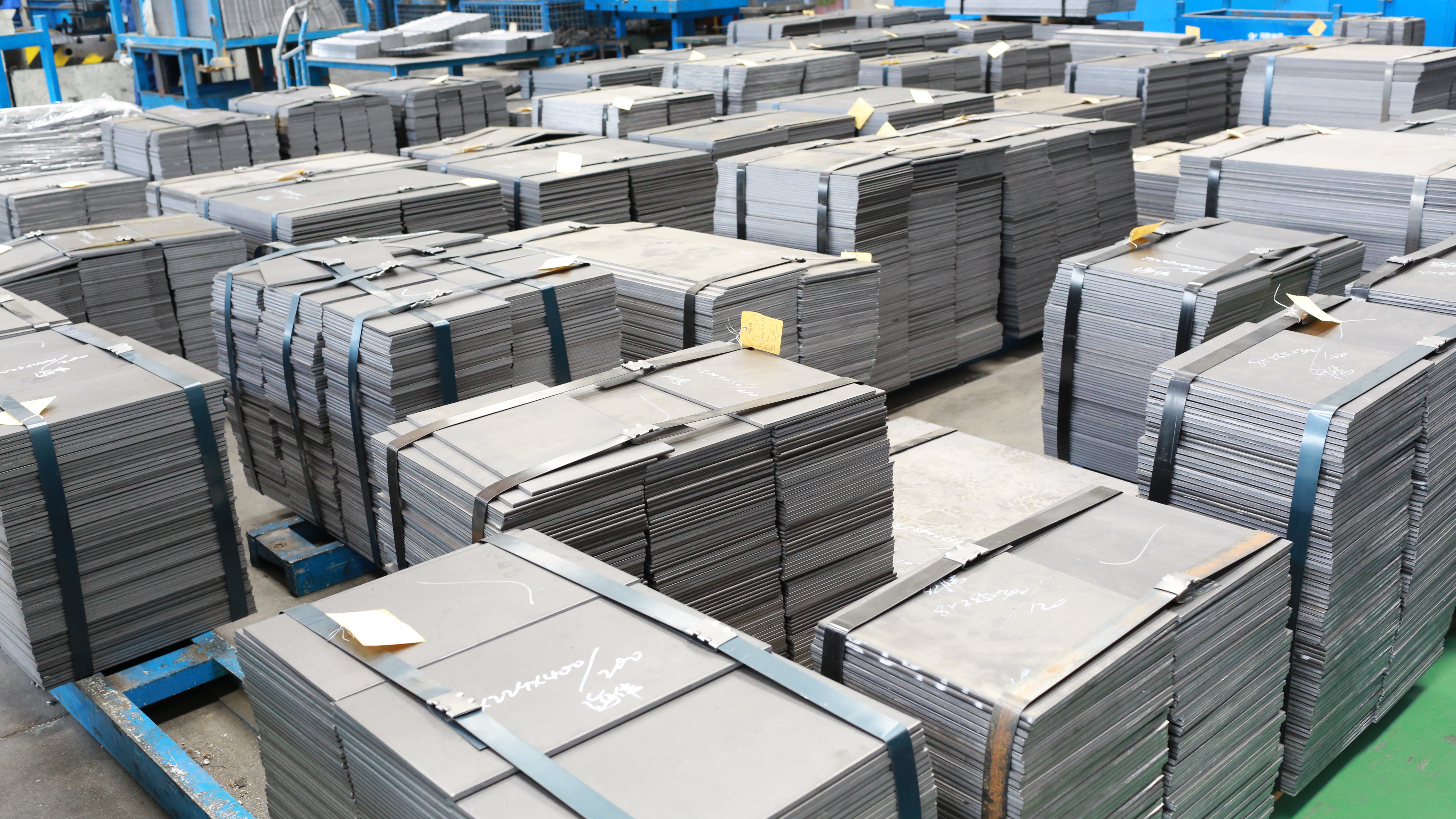
- Verify the steel and the heat treatment records. Request the steel certificate and process records. Incoming steel certificate inspection is part of Hailong’s QC method, alongside key process control during machining.
- Approve the design review and simulation. DFMA support, mold design checks and material advisory belong in this stage. Special processes or certification needs such as CAE or PPAP should be confirmed in advance, and part-level testing — incoming material checks, hardness and assembly dimensions — should be defined now rather than after tryout.
- Plan tryout, first-article inspection and delivery. Die performance is confirmed through mold tryout and first-article inspection before mass production begins. Lead time, documentation and shipping method should be agreed against the numbers in the next section.
Die Lead Time: 25–40 Days or 45–70 Days
Die steel selection and die lead time are linked, because grade and die type are decided together. Buyers should plan against two ranges:
- Simple dies: normally 25–40 days.
- Complex progressive dies: 45–70 days, including trial stamping.
Lead time depends on die complexity, so both ranges are planning bands rather than fixed promises. Two adjacent clocks matter for scheduling. Commercially, engineers respond within 24 hours and a quotation is typically issued in 1–7 days. Logistically, sea freight runs approximately 30–45 days and air freight approximately 3–7 days. A buyer who needs tooling on the press by a fixed date should sequence all three clocks — quotation, die build with tryout, and shipping — rather than plan around the die build alone.
Two further facts belong in the project plan. The QC method includes mold tryout video and a pre-shipment spare parts list, and after-sales support covers mold documentation and spare parts lists, tryout and first-article inspection reports, and on-site technical attendance for mold start-up if needed. Those documents are what allow a receiving plant to start production without waiting on the die builder to arrive.
Scenario Fit: Where Each Combination Earns Its Place
High-volume automotive body and structural parts
This is progressive die territory: multiple forming processes in one die set, high efficiency, stable precision, and a grade selected for the material and the required lifetime. A Hailong die program in Brazil illustrates the outcome buyers look for — 20 sets of tooling for factory production, built with a surface-coated mould described as high precision and long service life, suitable for heavy-duty stamping of auto parts. That program reached 500,000 cycles with stable high-volume production and consistent tolerance.
Household appliance metal stamping
Appliance panels and structural parts typically run in cold rolled or hot rolled steel at moderate thickness, where cost per part and surface finish dominate. Die type and grade should be chosen against annual volume rather than copied from an automotive program, because the wear and precision requirements differ.
Heavy-gauge and stainless steel stamping
Heavy-gauge stainless steel stamping and general stainless steel metal stamping push both wear and forming load upward. Material options at Hailong include cold rolled steel, hot rolled steel, 304 and 304L, and grade selection is explicitly tied to material and thickness — which is exactly the combination where the difference between two cold-work grades becomes visible in edge condition and regrinding intervals.
Deep draw metal stamping
Deep-drawn parts, particularly large ones, frequently suit a single stamping die rather than a progressive tool. Grade selection here has to serve the forming sections rather than the cutting edges, and tryout is where draw behaviour is confirmed before mass production.
Stamp-and-weld assembly components
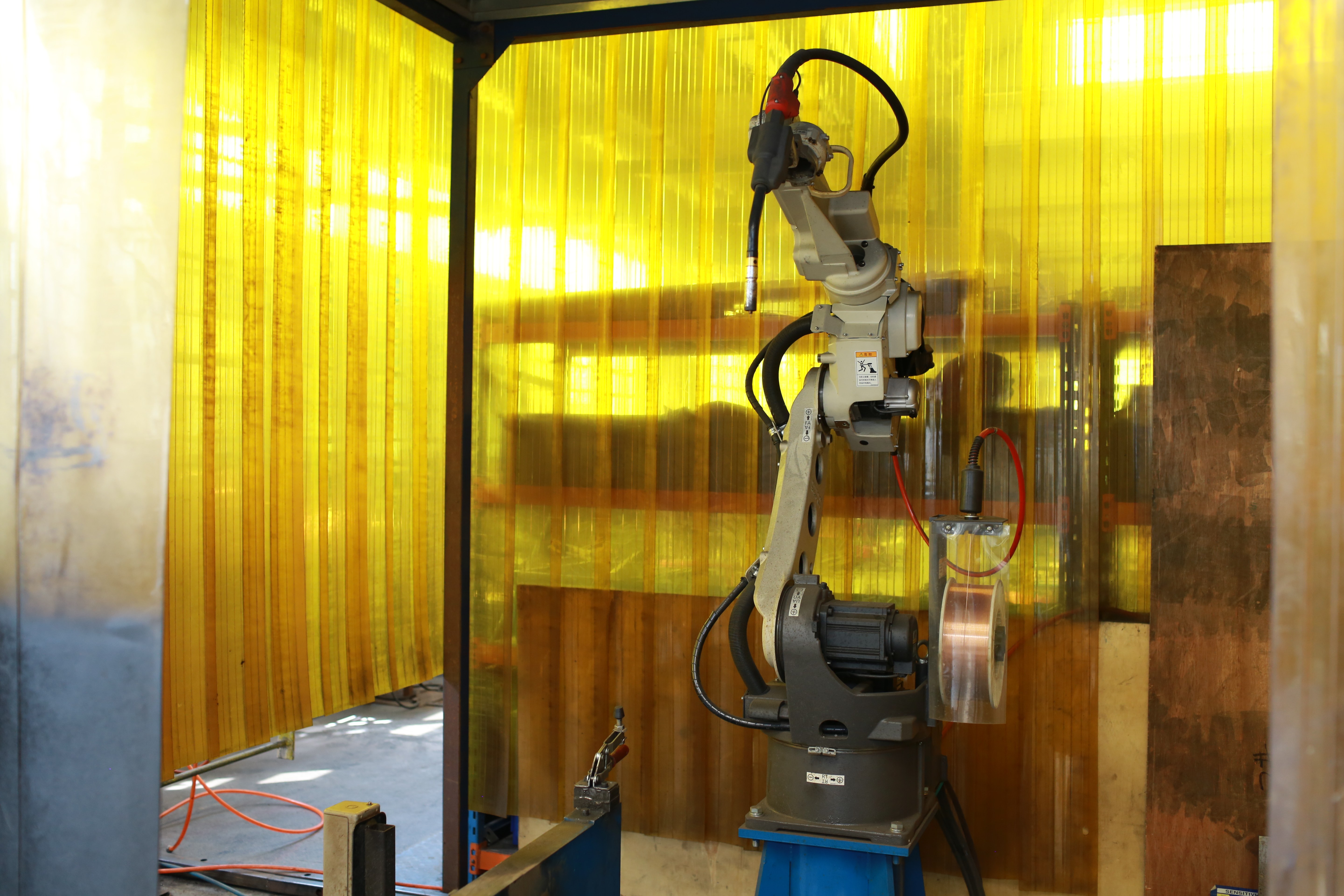
Where stamped components are welded into assemblies, the die program and the joining process should be planned as one flow. Hailong operates laser cutters and robotic welding cells alongside its stamping capacity, so stamp-and-weld assembly components can be quoted through a single supplier instead of two.
Comparison Tables
Table 1 — Die type, production scenario and lead time
| Die type | Best-fit production scenario | Typical lead time | Verification step |
|---|---|---|---|
| Simple stamping die | Small batches, large-size parts, complex deep-drawn parts | Normally 25–40 days | Mold tryout and first-article inspection |
| Complex progressive die | High-volume auto sheet metal components; multiple forming processes integrated in one die set | 45–70 days, including trial stamping | Mold tryout, first-article inspection, mold tryout video |
Table 2 — Inputs that change the die steel grade decision
| Selection input | What the buyer should specify | Why it moves the grade choice | Evidence to request |
|---|---|---|---|
| Stamping material | Cold rolled steel, hot rolled steel, 304 / 304L, or higher-strength grades | Wear and load on cutting edges and forming radii | Incoming steel certificate |
| Sheet thickness | Nominal thickness with tolerance; flag heavy-gauge work | Forming load and stress in the die block | Design review record; tryout result |
| Required production lifetime | Target cycles, plus any future volume increase | Determines grade class and maintenance plan | Die maintenance plan; comparable case reference |
| Quality and certification scope | IATF 16949 program requirements; CAE or PPAP if needed | Sets the documentation and process-control scope | Certificate; special processes confirmed in advance |
Evidence Package for a Stamping Die Program
Hailong Metal Fabrication is the export-facing name of Qingdao Hailong Machinery Group Co., Ltd., a machinery manufacturer founded in January 2000 and headquartered in Jimo District, Qingdao, Shandong, China. The group operates five production campuses, with a facility of over 500,000 m² and more than 500 units of equipment covering CNC machining, stamping, welding and molding, and holds self-operated import and export rights.
For a stamping die and stamping parts buyer, the relevant capacity facts are:
- Die design and fabrication for cold stamping of automotive body panels, delivered through Qingdao Jitai Auto Mould Co., Ltd., established in 1993 and recognized as a China Key Backbone Die Enterprise.
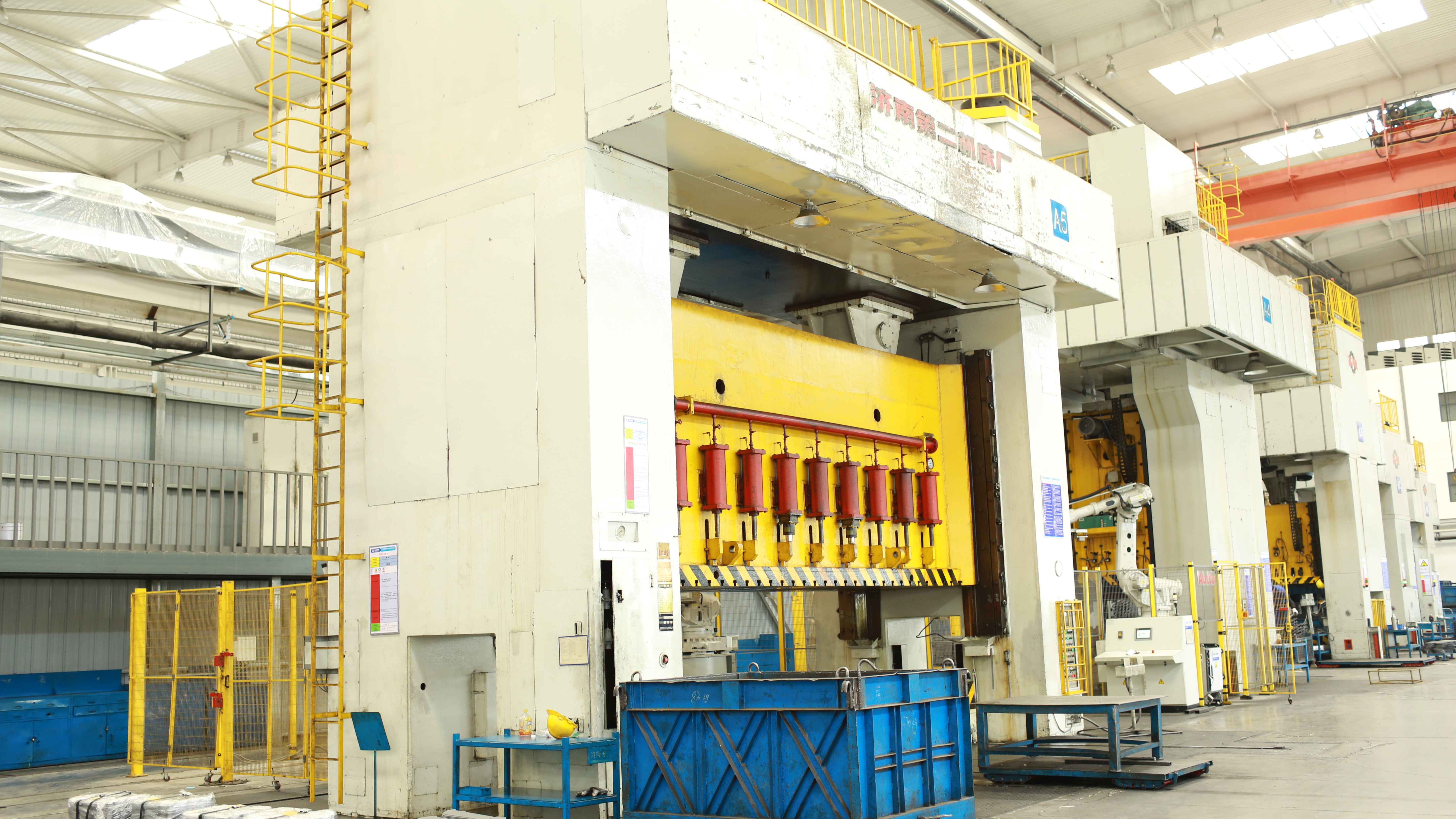
- Press capacity spanning 160T to 2400T automatic presses, including an 8,250T automated stamping line running a 9 SPM average effective cycle, plus 3,400T, 800T–2,400T and 630T–800T press lines.
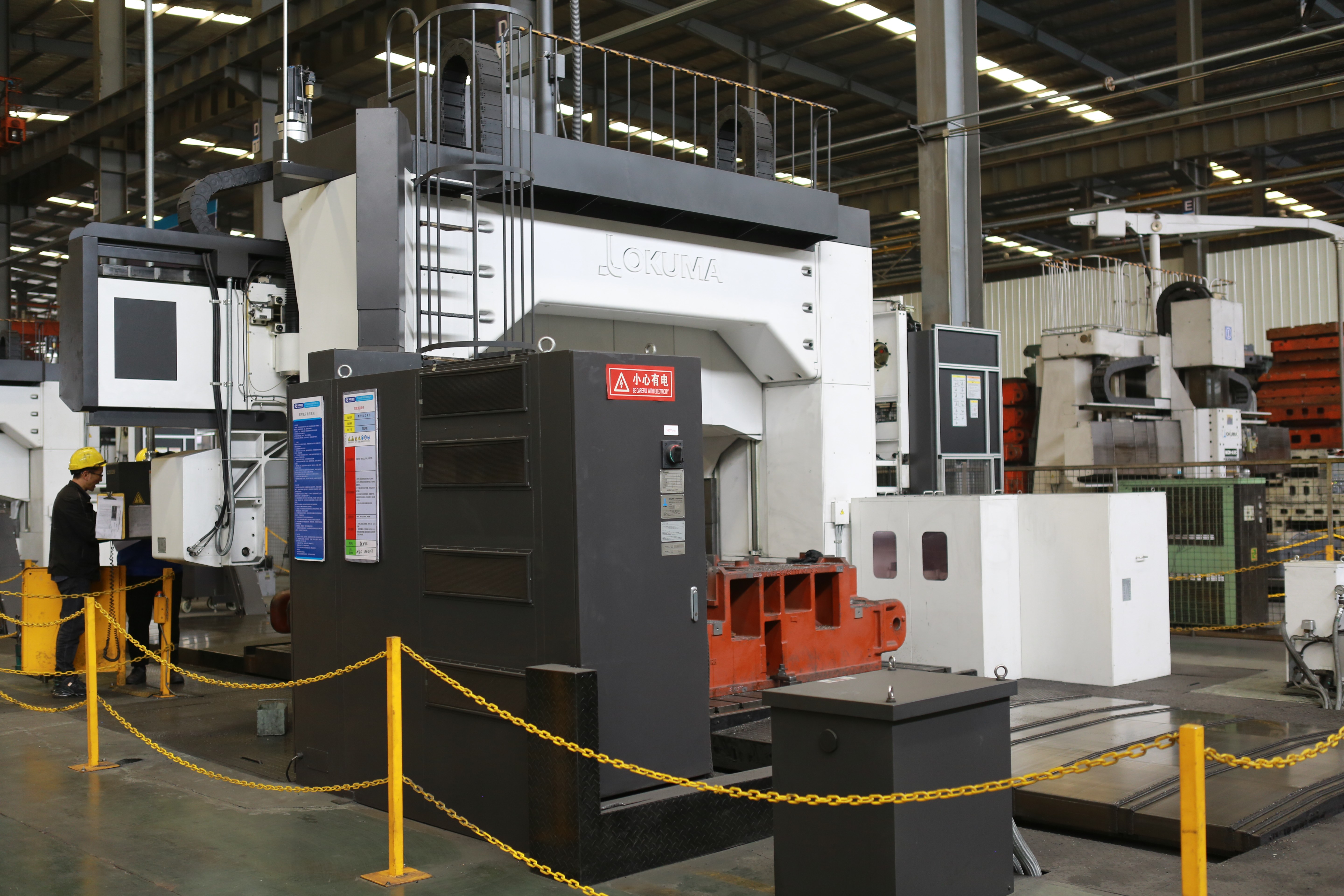
- Supporting processes including laser cutters, CNC centers, wire-cut machines and robotic welding cells, which allow stamping, forming and welded assembly to be handled inside one supply chain.
- Quality system certified to IATF 16949, ISO 9001, ISO 14001 and OHSAS 18001, with an in-house Technology Center recognized as a Qingdao Municipal Enterprise Technology Center since 2008.
- Engineering depth of 28 engineers in the R&D team, supported by DFMA, mold design checks and material advisory on die projects.
- OEM track record that includes FAW Jiefang, SAIC-GM, BAIC, Dongfeng and Beijing Benz domestically, and Renault, Nissan, Mercedes-Benz, Doosan and GD overseas, with products exported to the United States, Europe, India and Africa.
Two operational facts matter when a die program is being scheduled. First, the documented QC method covers mold design checks and Moldflow analysis, incoming steel certificate inspection, key process control during machining, assembly dimension checks, slide / hardness / cooling system inspections, a pre-shipment spare parts list and mold tryout video. Second, after-sales support provides mold documentation and spare parts lists, tryout and first-article inspection reports, and on-site technical attendance for mold start-up if needed, with shipping insurance and customs support available. Specific warranty terms are agreed contractually.
The company is also a one-stop manufacturing and technical partner for OEM and ODM custom mold and mass production projects, and for low-volume runs. Production volumes and MOQs are best confirmed with sales against the specific part drawing, since they depend on part complexity and order volume.
FAQ: Stamping Die Steel and IATF 16949 Sourcing Questions
1. What certification evidence should a buyer verify for an IATF 16949 metal stamping project?
Start with the certificate itself and then with what it governs. Industry sourcing analysis describes IATF 16949 certification, combined with real-time SPC monitoring and Run@Rate tests of 4,000 defect-free pieces, as a baseline entry criterion for new OEM automotive programs. Hailong Metal Fabrication is certified to IATF 16949 and ISO 9001 for metal stamping and molds, and supplies OEMs including Beijing Benz and FAW Jiefang. Buyers should also ask which special processes or certification needs — such as CAE or PPAP — apply to their program, because those should be confirmed in advance rather than assumed.
2. Which die steel grades are used for auto sheet metal stamping dies, and what decides the choice?
Cr12MoV, SKD11, P20 and other grades are adopted according to the stamping material, the sheet thickness and the required production lifetime. The same three inputs drive the die type decision: a progressive die suits high-volume auto sheet metal components because it integrates multiple forming processes in one die set with high efficiency and stable precision, while a single stamping die is more suitable for small batches, large-size parts and complex deep-drawn parts.
3. What drives the cost of an automotive stamping die project?
The largest cost variables are die type, die steel grade, the number of forming stages, tryout and the inspection and documentation scope. A progressive die carries more engineering and build content than a single-operation die, and stricter certification documentation adds process-control work. For context on where tooling investment can escalate, industry analysis notes that hot-stamping lines for 1,500 MPa press-hardened AHSS parts can cost USD 8–12 million each — a different scale from a conventional cold stamping die, and worth knowing when a program introduces advanced high-strength steel. At Hailong, engineers respond within 24 hours and quotations are typically issued in 1–7 days, so buyers can compare die packages on a defined scope. Production volume and MOQ need to be confirmed with sales because they depend on part complexity and order quantity.
4. How is a new stamping die validated before mass production?
Validation runs through mold tryout and first-article inspection, supported by part-level testing that includes incoming material checks, hardness and assembly dimensions. Hailong also supplies mold tryout video and a pre-shipment spare parts list as part of its QC method. A comparable outcome is documented in a Brazilian tooling program: 20 sets of tooling for factory production, built with a surface-coated mould described as high precision and long service life, suitable for heavy-duty stamping of auto parts, which reached 500,000 cycles with stable high-volume production and consistent tolerance.
5. How long does stamping die development take, and how should shipping be planned?
Simple dies normally take 25–40 days, while complex progressive dies take 45–70 days including trial stamping; actual lead time depends on die complexity. Add the commercial and logistics clocks: engineers respond within 24 hours and quotations are issued in 1–7 days, sea freight runs approximately 30–45 days and air freight approximately 3–7 days. Buyers who want the complete schedule in writing can request a die quotation from Hailong covering die type, steel grade, lead time and shipping, or email nina@qdhailong.com with the part drawing and annual volume for a scoped response.
Conclusion: Match the Grade to the Scenario, Then Lock the Timeline
Cr12MoV, SKD11 and P20 are not competing answers to the same question — they are three grades that fit different combinations of stamping material, sheet thickness and required production lifetime. The buyer’s leverage sits in supplying those three inputs early and requiring the die builder to justify the grade, the die type, the heat treatment records and the tryout plan against them. Once that is settled, the schedule becomes predictable: 25–40 days for simple dies, 45–70 days for complex progressive dies including trial stamping, with quotation, production and shipping planned as three separate clocks.
For programs where certification, die fabrication and mass stamping need to sit with one supplier, Hailong Metal Fabrication combines IATF 16949-certified die design and fabrication with automated stamping lines up to 8,250T and robotic welding cells, and supports buyers with DFMA input, steel certificate inspection and documented tryout reporting.
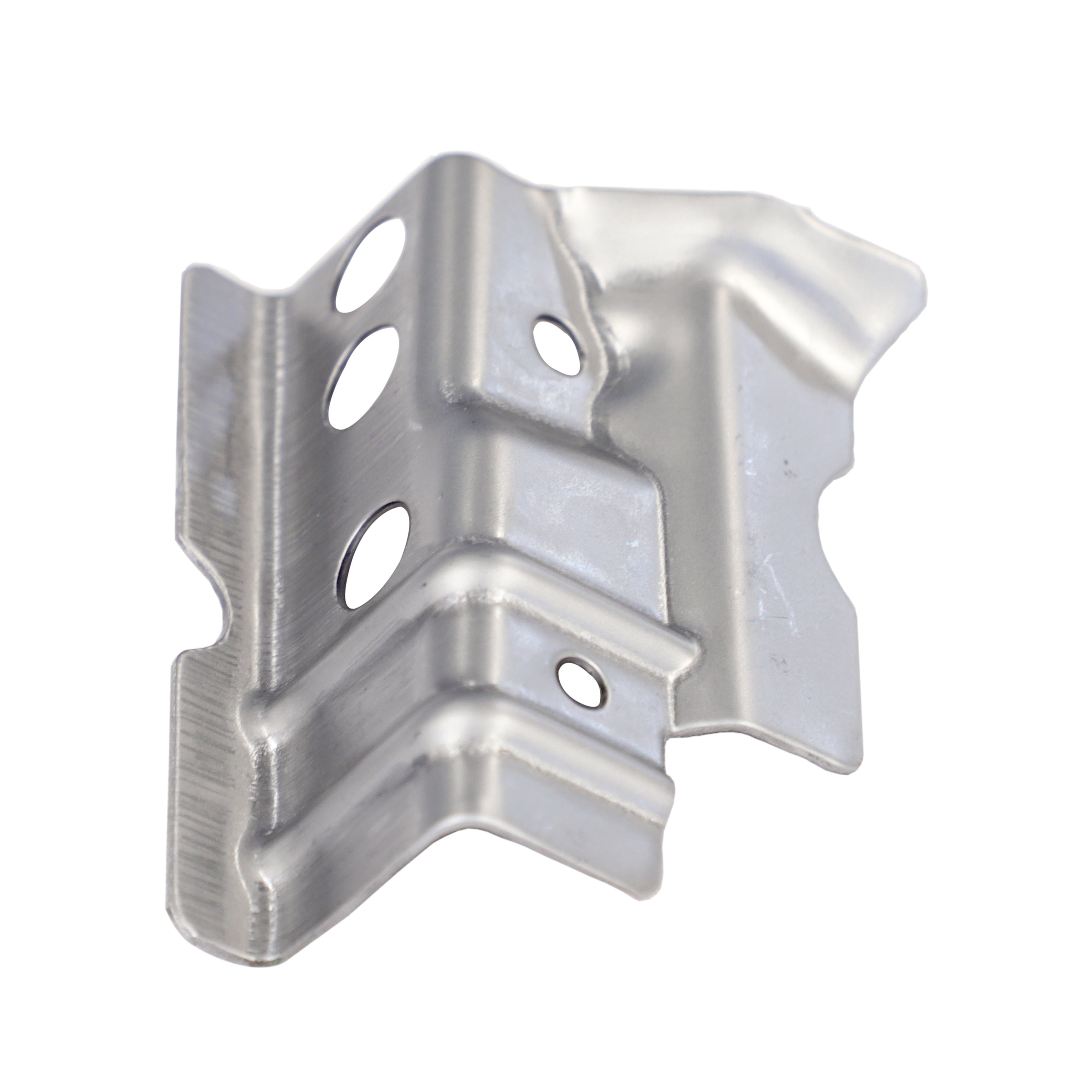
Next step: send your part drawing, stamping material and thickness, target production lifetime, and annual volume to nina@qdhailong.com and we will respond with the recommended die type and steel grade, plus a scoped lead time.
Download the company and capability brochure: Hailong Metal Fabrication brochure (PDF) — or call +86 176-6762-3223 / WhatsApp +86 185-6390-5668.
Have Questions or Need More Details?
Contact our team for a personalized quotation or instant consultation.
Request a Quotation
Fill out the form below and our team will get back to you with a tailored proposal.
WhatsApp Direct Chat
Prefer to chat in real-time? Message us on WhatsApp for instant assistance & quick answers.
- Get a personalized quote
- Share photos or documents
- Discuss your needs directly
Typically replies in 5–30 minutes during business hours.