Metal Stamping Compliance Guide: How to Build IATF 16949 Evidence Buyers Can Audit
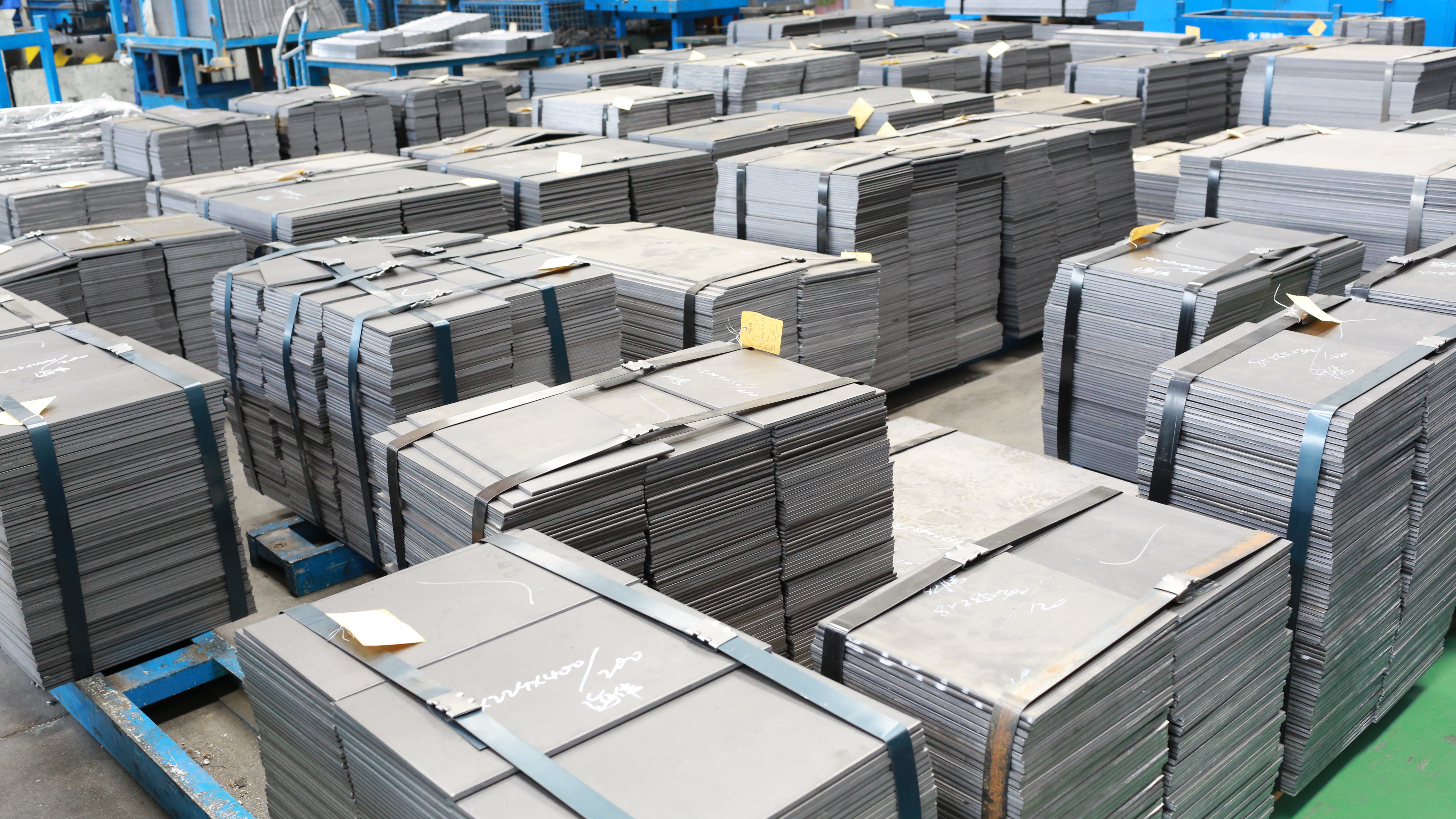
Metal stamping compliance is not a certificate you file and forget. For a buyer in the decision stage, compliance is a chain of evidence that connects four things: the drawing revision, the sheet metal material specification, the die that forms the part, and the inspection records that prove each production lot matches. Break any link, and an IATF 16949 certificate stops answering the question your quality team is actually asking.
This guide shows how to build that chain for a metal stamping program: die design and fabrication, automated stamping lines, die maintenance, and the inspection records produced by CMM, spectrometer and carbon-sulfur analyzer equipment. It also shows how acceptance criteria should be written into purchasing terms so that the records you receive describe the parts you receive. Regional requirements are treated the way they should be treated at decision stage: as a verification checklist that must be confirmed through contract documents and customer-specific rules, not as a single global standard you can safely assume.
Definition. A metal stamping compliance package is the set of records that links drawing revision, material grade, die construction, process control and inspection results to one specific purchase order. Certification — for example IATF 16949 — is one element of that package. It is not a substitute for the other four.
The Real Problem: A Certificate Does Not Define Acceptance
Most sourcing problems in metal stamping do not begin with a supplier lacking certification. They begin with a purchase order that never defined what acceptance means. Four gaps repeat across automotive metal stamping, household appliance metal stamping and industrial programs:
- Scope gap. The certificate is valid, but the scope printed on it does not clearly cover the site and the product family you are buying.
- Material gap. The drawing says stainless steel, while the process plan was built around cold-rolled steel, hot-rolled steel, 304 or 304L without a written grade callout. Different grades form differently, and inspection criteria have to reflect the grade that was actually quoted.
- Record gap. Inspection data exists during the trial, then disappears from routine shipments because nobody wrote per-lot documentation into the terms.
- Regional gap. The buyer assumes a destination market applies one fixed rule set, when the actual requirements come from the contract, the customer-specific requirements and the destination market combined.
The decision-stage consequence is predictable: two suppliers quote the same part, one quote includes die fabrication records, first-article inspection and maintenance discipline, the other does not, and the two prices get compared as if they described the same deliverable.
Industry Background: Why Stamping Compliance Is Reviewed Harder
Metal stamping is a large, capital-intensive category, and that shapes how compliance is audited. Grand View Research estimated the global metal stamping market at USD 257.3 billion in 2025, with automotive metal stamping estimated at USD 90.6 billion in the same year. The same source placed Asia Pacific at a 37.0% revenue share in 2025; other research houses publish different regional shares, largely because captive in-house stamping is counted differently from merchant stamping. For a buyer, the practical point is not the size of the number — it is that most of the capacity sits inside supply chains where process evidence, not marketing, decides who is approved.
The bar for automotive programs is explicit. A North America automotive steel stamping market report describes IATF 16949 certification, real-time SPC monitoring and Run@Rate tests of 4,000 defect-free pieces as baseline entry criteria for new OEM automotive programs. That is a much narrower definition than "we are certified": it names the process controls that must be visible during a program launch review.
Capital intensity explains why capability claims deserve evidence. The same market research notes that hot-stamping lines for advanced high-strength steel parts can cost USD 8-12 million each. Equipment at that scale is not purchased speculatively, which is why buyers should ask which line, which press tonnage and which inspection equipment will actually run their part — and then ask for the records that prove it.
Qingdao Hailong Machinery Technology Co., Ltd. — trading as Hailong Metal Fabrication — is a metal stamping and fabrication manufacturer founded in January 2000 and headquartered in Jimo District, Qingdao, China. The company holds IATF 16949, ISO 9001, ISO 14001 and OHSAS 18001 certification, operates large and automatic presses from 160T to 2400T, and runs inspection equipment including CMM, spectrometer and carbon-sulfur analyzer units. Its stated customer base includes FAW Jiefang, SAIC-GM, BAIC, Dongfeng and Beijing Benz domestically, and Renault, Nissan, Mercedes-Benz, Doosan and GD overseas, with products exported to the United States, Europe, India and Africa.
The Solution: Five Layers of Evidence for a Stamping Program
A defensible compliance package for metal stamping is built in five layers. Each layer answers a different question, and each must be requested by name in the purchasing documents — otherwise it arrives only when someone remembers to send it.
Layer 1 — Certification with a readable scope
Ask for the certificate as issued, then read three things: the legal entity and site address, the product scope, and the validity dates. A group-level certificate is not automatically a site-level approval. Hailong holds IATF 16949 alongside ISO 9001, ISO 14001 and OHSAS 18001; the IATF 16949 document is the one automotive buyers normally place in the supplier approval file, while the environmental and occupational health documents answer a different set of audit questions. Confirm the certification body and the current audit status directly with the supplier rather than relying on a scanned image.
Layer 2 — Die design and fabrication records
The die is where most part-level risk is created or prevented, so die records belong in the compliance file, not only in the tooling file. Mold steel grade is selected according to stamping material, thickness and required production lifetime; common grades for stamping dies include Cr12MoV, SKD11 and P20. A supplier that cannot state which grade it selected — and why — has not documented its die design basis.
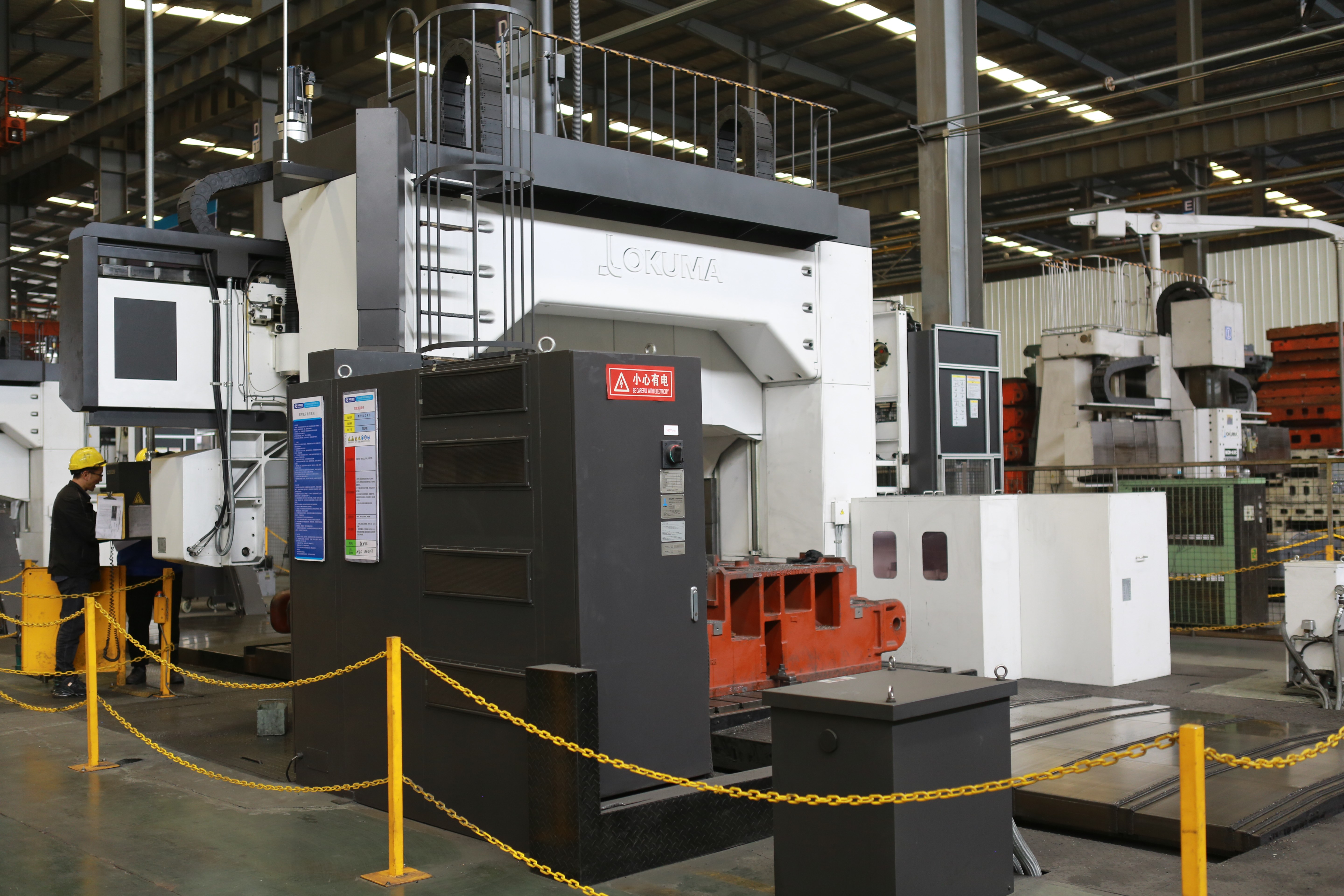
Die type also changes what evidence is reasonable to expect. Progressive die is recommended for high-volume auto sheet metal components because it integrates multiple forming processes in one die, with high production efficiency and stable precision. Single stamping die is more suitable for small batches, large-size parts or complex deep-drawn parts, and carries lower tooling cost with more flexibility. Die lead time depends on complexity: simple dies normally take 25-40 days, while complex progressive dies take 45-70 days including trial stamping. Those dates belong in the program plan so that first-article inspection is scheduled against reality.
Layer 3 — Process control on automated stamping lines
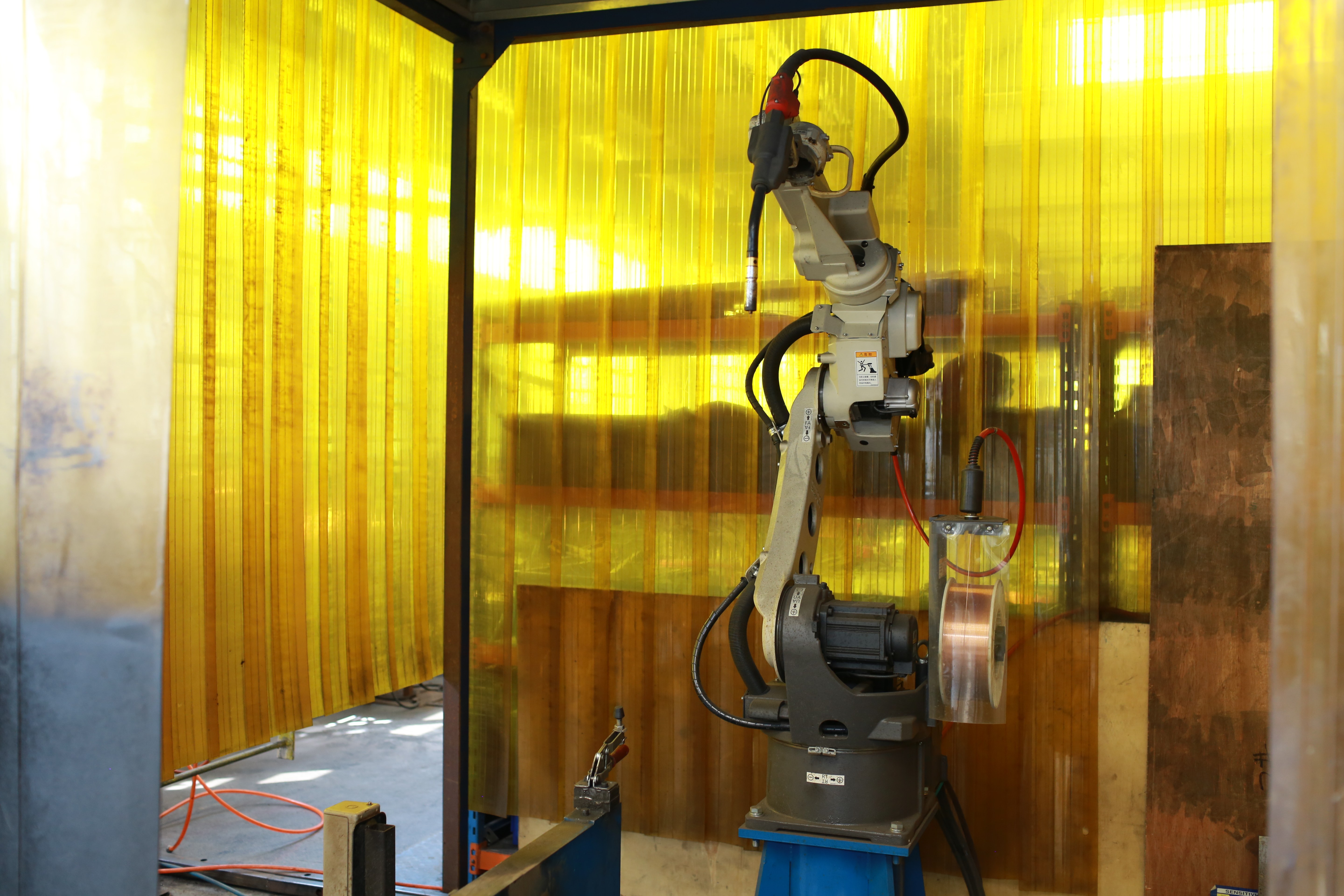
Automation narrows variation but does not remove the need for evidence. Hailong runs large and automatic presses ranging from 160T to 2400T, an automated stamping line with an average effective cycle of 9 SPM, laser cutters and robotic welding cells. For an automotive program, request the SPC monitoring arrangement and the Run@Rate plan that will be used at launch; the external benchmark described earlier — real-time SPC plus Run@Rate tests of 4,000 defect-free pieces — is a useful yardstick for judging whether the control plan is substantive.
Layer 4 — Inspection records: chemistry, geometry, function
Three record types cover most disputes. Chemistry records from a spectrometer and a carbon-sulfur analyzer confirm that the coil matches the specified grade. Dimensional records from a CMM confirm drawing conformance on critical features. Part-level testing — incoming material checks, hardness and assembly dimensions — confirms that the formed part behaves as an assembly component, not just as a shape. Hailong states that part-level testing of this kind is available, and that special processes or certification needs such as CAE or PPAP should be confirmed in advance rather than assumed after the order is placed.
Layer 5 — Die maintenance and change control
Compliance has a time dimension. A die that produced a conforming first article in month one can drift by month twelve through wear, and the records that catch that drift are maintenance records, not certificates. Hailong supports die debugging, revision, wear repair and regular maintenance during mass production. Buyers should require the maintenance log as a deliverable on a defined review cycle, and should tie any drawing revision to a written die modification record so that a part number never refers to two different geometries.
Writing Acceptance Criteria Into the Purchase Order
Acceptance criteria are a purchasing instrument. If they live only in a drawing, they describe geometry; if they live in the purchase order as well, they describe a deliverable. A workable clause set for custom OEM metal stamping parts covers the following, in writing:
- Drawing revision. One revision number, referenced in every record.
- Material grade. Named explicitly — cold-rolled steel, hot-rolled steel, 304 or 304L stainless steel — with the thickness range and the certificate type required per coil.
- Process route. Stamping, laser cutting, shearing or CNC punching, and press-brake bending, listed in the sequence the supplier will actually run.
- Measured characteristics. Critical dimensions with tolerances, plus hardness and assembly-fit checks where the part is welded or mated.
- Sampling and frequency. How often the CMM and chemistry records are produced, and whether they are per lot or per shipment.
- Documentation pack. The exact list of records delivered with each shipment, named by document, not described as quality documents.
- Deviation route. Who approves a concession, in what form, and how it is referenced in the shipping documentation.
- Tooling ownership and maintenance. Who holds the die, who maintains it, and what record proves maintenance happened.
Step-by-Step: Assembling the Evidence Package
The sequence matters, because each step produces a document the next step depends on.
Step 1 — Freeze the drawing and material callout. Confirm the revision and the grade (cold-rolled steel, hot-rolled steel, 304 or 304L) before any die work is quoted. Most later disputes are decided here.
Step 2 — Agree the acceptance criteria clause set. Use the eight-point list above as the template and attach it to the purchase order, not to an email thread.
Step 3 — Request the certificate pack and read the scope. Verify entity, site, scope and validity for IATF 16949, and check which additional management system certificates the customer-specific requirements actually ask for.
Step 4 — Require the die design basis. Ask for the selected mold steel grade (Cr12MoV, SKD11 or P20), the reasoning behind it, the die type, and the die lead time in writing.
Step 5 — Approve the control plan before tryout. Name the press range, the SPC method, and the Run@Rate or equivalent rate test if the program requires one.
Step 6 — Review the trial stamping and first-article report. Chemistry, CMM dimensions, hardness and assembly-fit checks together; a single dimensional report alone is not an approval.
Step 7 — Put maintenance and revision on a calendar. Define the maintenance log review cycle and the revision-control rule before mass production begins.
Use Cases: Where the Evidence Chain Changes Shape
Automotive metal stamping
Automotive programs carry the heaviest documentary load: IATF 16949 scope, process control records, first-article approval and ongoing capability evidence. Hailong supplies FAW Jiefang, SAIC-GM, BAIC, Dongfeng and Beijing Benz domestically, and Renault, Nissan, Mercedes-Benz, Doosan and GD overseas — a customer mix that makes the automotive evidence pack a routine deliverable rather than a special project.
Household appliance metal stamping
Appliance parts often face a lighter regulatory regime but a stricter appearance standard. Acceptance criteria should shift weight accordingly: surface defects, flatness and coating compatibility belong in the purchase order alongside dimensions, and the documentation pack can be slimmer on process capability if cosmetic criteria are measured and recorded per lot.
Heavy-gauge stainless steel stamping and stainless steel metal stamping
Grade control is the decisive record. For 304 and 304L work, the material certificate and the spectrometer result are the first documents an auditor will ask for, and die maintenance records become more important because tooling wear changes the dimensional signature over time. Buyers should also confirm press capacity against the gauge being quoted, since heavy-gauge work consumes tonnage that thin-gauge quotations never reveal.
Deep draw metal stamping and progressive die metal stamping
These two routes need different evidence. Deep draw work is usually approved on first-article geometry and material behaviour, and single stamping die is the more suitable choice for complex deep-drawn parts or smaller batches. Progressive die work is approved on repeatability: the relevant records are the die fabrication record, the tryout report and the maintenance log, because the whole economic case rests on stable precision across a long run.
Stamp-and-weld assembly components
When stamping is combined with welding, the acceptance criteria must cover the assembly, not only the stamped blank. Assembly dimension checks, weld consistency and the sequence of operations belong in the control plan, and robotic welding cells make it practical to record the same parameters for every unit in a run.
Evidence Matrix: What Each Document Proves
Use this matrix to name documents individually in the purchase order. A generic phrase such as full quality documentation is not a specification.
| Record | What it verifies | Where it belongs |
|---|---|---|
| IATF 16949 certificate with scope | Management system certification for the named site and product scope | Supplier approval file |
| Die design basis and mold steel record | Die construction intent and grade selection (Cr12MoV, SKD11, P20) against material, thickness and required lifetime | Die acceptance sign-off |
| Material certificate per coil | That the delivered grade matches the specified cold-rolled steel, hot-rolled steel, 304 or 304L | Material clause in the purchase order |
| Spectrometer and carbon-sulfur analyzer results | Chemistry verification at incoming material check | Incoming inspection record |
| CMM dimensional report | Conformance of critical features to the drawing revision | First-article and per-lot inspection |
| Hardness and assembly dimension checks | Part-level function as a component, not only as a shape | Control plan |
| Trial stamping and first-article report | Die capability before mass production release | Tooling and quality approval |
| SPC and rate-test evidence | Process capability at production rate | Program launch review |
| Die maintenance log | Sustained capability through debugging, revision, wear repair and regular maintenance | Periodic supplier review |
| Revision and change record | That one part number does not refer to two geometries | Purchase order revision clause |
Regional Documentation: A Verification Checklist, Not a Global Standard
There is no single document set that satisfies every destination market and every customer at once. Regional and customer-specific requirements are set by the contract, the customer-specific requirements attached to it, and the rules of the destination market together. The correct decision-stage behaviour is to convert those unknowns into questions and confirm the answers in writing before the die is released:
- Which destination markets will the finished part be sold into, and which of them are named in the contract?
- Which customer-specific requirements document applies, and which revision of it?
- Which language must the certificate pack and inspection reports be issued in?
- Does the customer require a specific approval submission, and at which level?
- Which declarations does the customer compliance team require, and in what format?
- Which records must accompany each shipment versus each program review?
- Who signs the deviation approval, and in which jurisdiction?
- How long must records be retained, and who holds them if the tooling moves?
A supplier that answers these questions with a fixed answer for every customer is describing its own habit, not your requirement. A supplier that answers them per program is describing a control process. For special processes or certification needs such as CAE or PPAP, the practical rule is the same one Hailong states: confirm them in advance so they can be planned into the die and production schedule.
Frequently Asked Questions
Which documents should a buyer request to verify IATF 16949 metal stamping compliance?
Request nine items by name: the IATF 16949 certificate as issued, with site and product scope visible; the die design basis including the selected mold steel grade such as Cr12MoV, SKD11 or P20; material certificates for cold-rolled steel, hot-rolled steel, 304 or 304L; incoming material check results from the spectrometer and carbon-sulfur analyzer; CMM dimensional reports; hardness and assembly dimension checks; the trial stamping and first-article report; the die maintenance log covering debugging, revision, wear repair and regular maintenance; and SPC or rate-test evidence where the program requires it. A certificate alone verifies a management system, not a part.
China metal stamping manufacturers versus local suppliers for automotive sourcing — how should the decision be made?
Score both routes against the same evidence package before comparing commercial terms. IATF 16949 certification with real-time SPC monitoring and Run@Rate tests of 4,000 defect-free pieces is described in market research as a baseline entry criterion for new OEM automotive programs, and that criterion does not change with the supplier postal address. Hailong Metal Fabrication holds IATF 16949 and ISO 9001, runs large and automatic presses from 160T to 2400T with an automated stamping line at a 9 SPM average effective cycle, and reports a 70% export ratio with customers including FAW Jiefang, SAIC-GM, BAIC, Dongfeng and Beijing Benz, plus Renault, Nissan, Mercedes-Benz, Doosan and GD overseas. A defensible decision rule is: approve the evidence chain first, then compare tooling, part price, inspection scope and logistics in writing.
Can one supplier handle heavy-gauge stainless steel stamping and deep draw work together?
Check three capability facts before assuming yes: press range, material experience and die type rationale. Hailong works with cold-rolled steel, hot-rolled steel, 304 and 304L stainless steel, using stamping, laser cutting, shearing or CNC punching and press-brake bending, on large and automatic presses from 160T to 2400T. For die type, progressive die is recommended for high-volume auto sheet metal components because it integrates multiple forming processes in one die with high efficiency and stable precision, while single stamping die is more suitable for small batches, large-size parts or complex deep-drawn parts. Material grade, thickness and required production lifetime then determine whether Cr12MoV, SKD11 or P20 is the appropriate die steel.
What drives cost in a compliance-ready metal stamping program?
Four cost drivers are visible before quoting: die type and complexity, die steel grade, material grade, and the depth of the inspection and documentation pack. Die lead time depends on complexity — normally 25-40 days for simple dies and 45-70 days for complex progressive dies including trial stamping — so schedule pressure converts directly into cost. Capital intensity is the background factor: market research notes that hot-stamping lines for advanced high-strength steel parts can cost USD 8-12 million each, which is why capability claims should be tied to specific equipment and records rather than to a general statement. Ask for the quotation broken down into tooling, part price, inspection and documentation, and confirm special processes such as CAE or PPAP before the order is placed, because they change scope.
How long does a first-article sample take for a new stamped part?
Plan from the die, not from the sample. Die lead time depends on complexity: simple dies normally take 25-40 days, while complex progressive dies take 45-70 days including trial stamping. First-article inspection follows tryout, and the review should include chemistry, CMM dimensions, hardness and assembly dimension checks together. If your program requires an approval submission such as PPAP, confirm that requirement in advance so it is built into the schedule rather than added afterwards. To start that process with Hailong Metal Fabrication, send the drawing revision and material callout to Nora at nina@qdhailong.com, call +86 176-6762-3223, or message +86 185-6390-5668 on WhatsApp and request the evidence package alongside the quotation.
Conclusion
Metal stamping compliance is decided by the documents you named in the purchase order, not by the certificate you filed at the start of the project. The workable sequence is consistent across automotive metal stamping, household appliance metal stamping and heavy-gauge stainless steel stamping: freeze the drawing and material grade, agree measured acceptance criteria, require the die design basis, approve the control plan before tryout, review chemistry and geometry together, and put die maintenance and revision control on a calendar.
Regional documentation should be handled the same way — as a checklist of questions confirmed through contract documents and customer-specific requirements, not as an assumption that one global standard covers every destination market. Hailong Metal Fabrication builds its evidence around that logic: IATF 16949 and ISO 9001 certification, die fabrication with Cr12MoV, SKD11 and P20 grades selected by material and lifetime, large and automatic presses from 160T to 2400T, and inspection through CMM, spectrometer and carbon-sulfur analyzer equipment.

Next step: request the evidence package, not just the certificate
Send your drawing revision and material specification, and Hailong Metal Fabrication will return the die design basis, inspection record list and quotation scope for your review. Sample requests and program inquiries are welcome.
Email: nina@qdhailong.com | Tel: +86 176-6762-3223 | WhatsApp: +86 185-6390-5668
Website: en.qdhailong.com
Have Questions or Need More Details?
Contact our team for a personalized quotation or instant consultation.
Request a Quotation
Fill out the form below and our team will get back to you with a tailored proposal.
WhatsApp Direct Chat
Prefer to chat in real-time? Message us on WhatsApp for instant assistance & quick answers.
- Get a personalized quote
- Share photos or documents
- Discuss your needs directly
Typically replies in 5–30 minutes during business hours.