
Supplier Evaluation for Stamping Dies and Mass Stamping: Capability and Delivery Checklist
A stamping die supplier and a mass stamping supplier should be evaluated with one checklist, not two. The die decides whether a metal stamping part can be formed to tolerance; the stamping line decides whether that tolerance survives a full production run; the maintenance agreement decides whether it still holds after the tool has worn. Buyers who assess tooling and production as separate purchases usually meet the gap at ramp-up, when the die maker and the stamper each point to the other.
This evaluation checklist is written for buyers in the research and evaluation stage of an automotive, household appliance or industrial stamping project, and for the engineers and sourcing managers who have to defend the award internally. It sets out what to verify, what evidence to request, and which answers should end a supplier conversation.
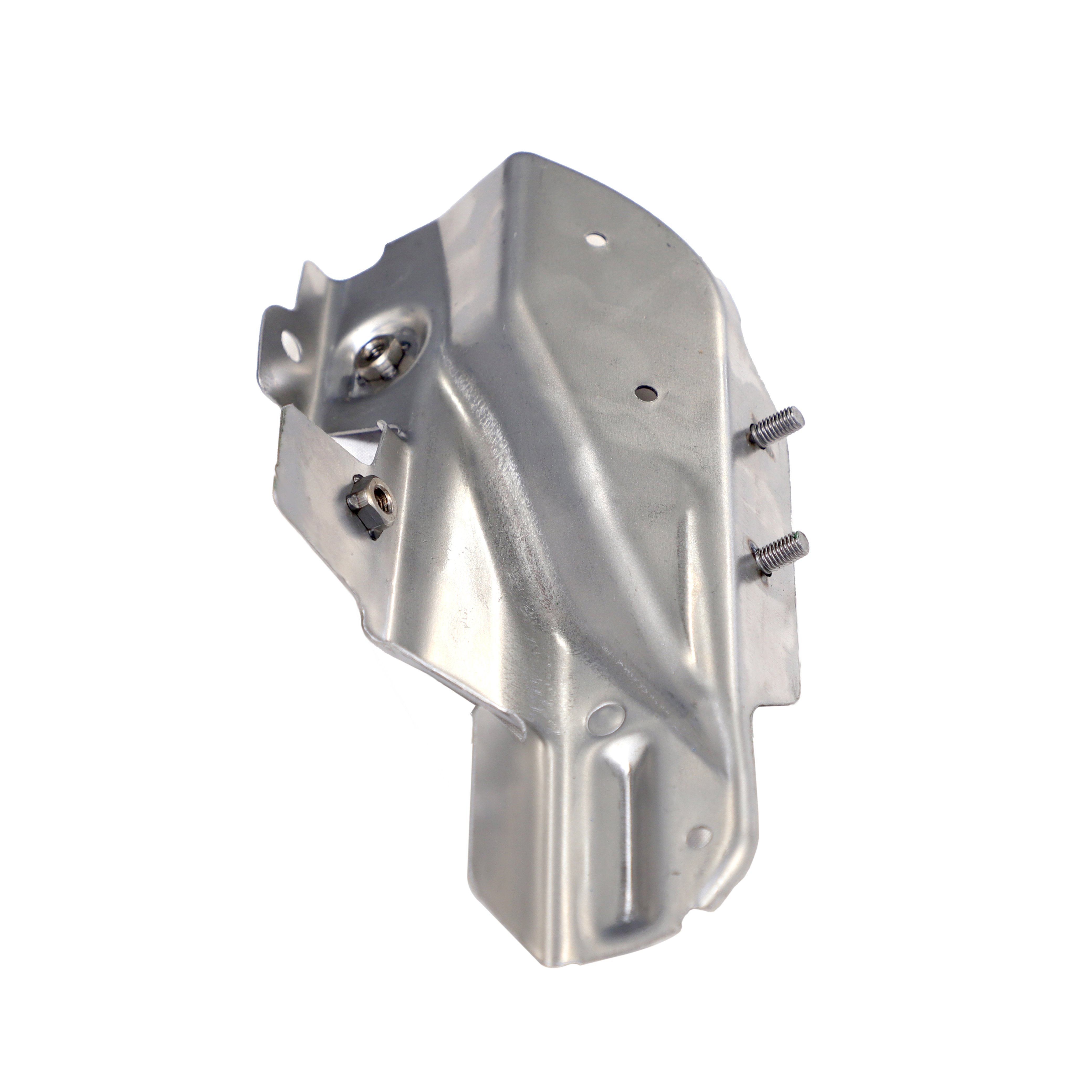
The Procurement Problem: A Die That Passes Tryout and Fails at Volume
Stamping projects rarely fail at the tryout press. They fail months later, in one of four predictable ways, and each failure mode maps to a specific question the buyer should have asked before the purchase order.
- Tolerance drift with no owner. The die is approved at tryout, then parts move outside tolerance after tens of thousands of strokes. If the die maker and the stamper are different companies, the investigation splits between tooling geometry and press conditions, and nobody has contractual authority to fix both.
- Tonnage and line mismatch. A die quoted on the basis of maximum available tonnage may be scheduled on a different line at production time. Die space, cushion capacity, cycle rate and automation interface all change the process window.
- Maintenance treated as an afterthought. Wear parts, sharpening intervals and revision responsibilities are frequently left out of the tooling purchase, so the first repair becomes a new commercial negotiation in the middle of a delivery commitment.
- Documentation that cannot support an audit or a PPAP submission. Design reviews, steel certificates, hardness records, tryout videos and first-article inspection reports are the evidence base for an IATF 16949 programme. A supplier that produces good parts but cannot retrieve this evidence creates risk that surfaces during customer audits, not during sampling.
The practical conclusion is that die capability and stamping capability have to be verified in the same evaluation, with a documented handover point between them. That is the structure of the checklist below.
Industry Background: What Buyers Are Actually Selecting Between
Metal stamping is a large, mature and regionally concentrated industry. Grand View Research valued the global metal stamping market at USD 257.3 billion in 2025, with Asia Pacific holding a 37.0% revenue share in the same year. Within that total, automotive metal stamping alone was estimated at USD 90.6 billion in 2025. Published estimates differ by scope — other research houses report lower global totals, a difference that public notes attribute mainly to whether captive stamping departments inside large OEMs are counted — so market size is useful for understanding the supply base, not for comparing two suppliers.
Two structural facts shape supplier evaluation far more than market size. First, compliance expectations have escalated: IATF 16949 certification with real-time SPC monitoring and Run@Rate tests of 4,000 defect-free pieces is described in commercial research as a baseline entry criterion for new OEM automotive programmes, not a differentiator. Second, capital intensity is high at the advanced end of the market: hot-stamping lines for producing advanced high-strength steel parts such as 1,500 MPa press-hardened steel can cost USD 8–12 million each. The buyer is therefore not choosing between catalogues. The buyer is choosing which process evidence, which equipment and which maintenance model will carry the programme for its full life.
That shift is why one-stop scope has become a genuine evaluation criterion rather than a marketing phrase. A supplier that designs and builds the die, runs the tryout, and then stamps the part under the same quality system can be held to a single tolerance commitment. A supplier that only stamps inherits whatever the tooling gives it.
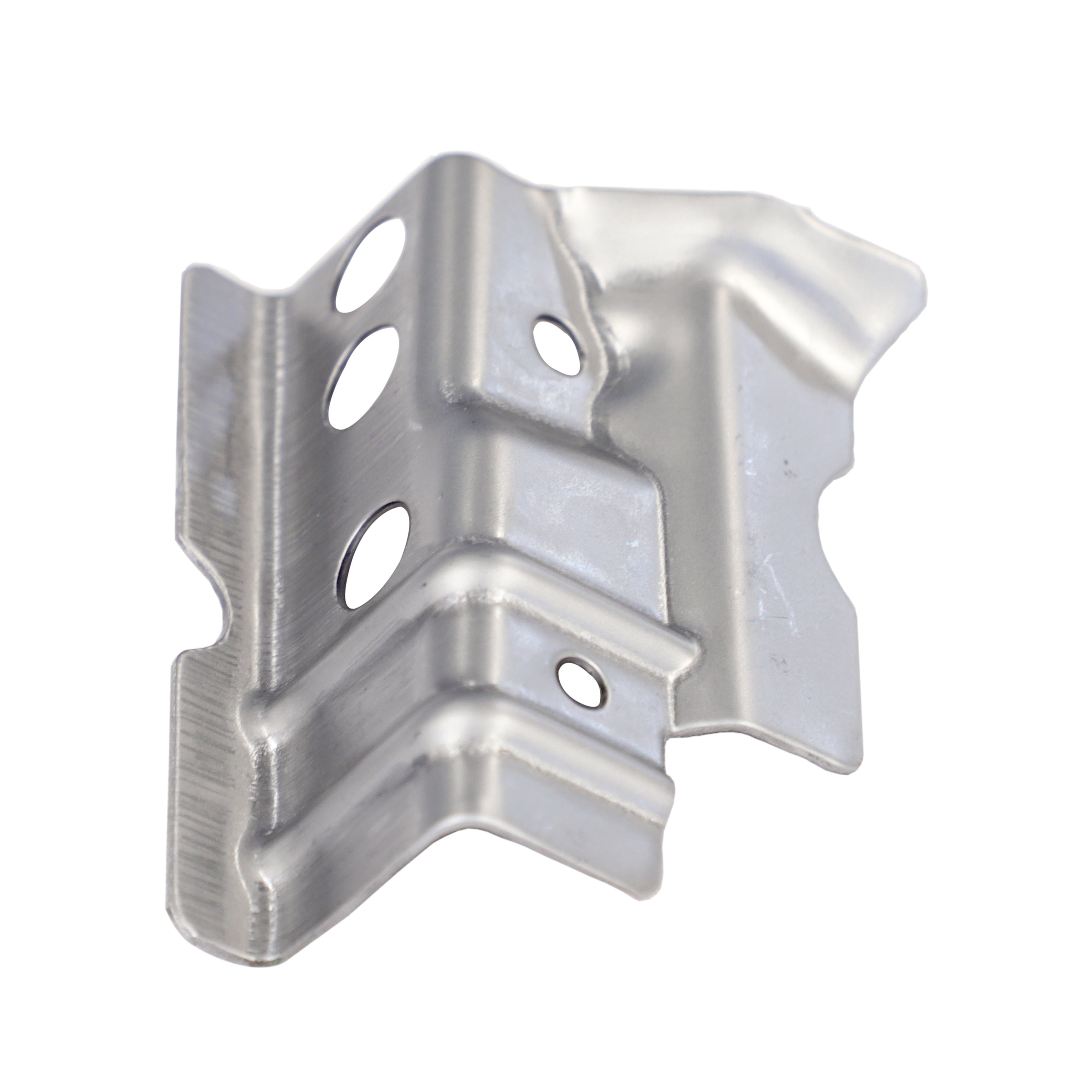
The Capability and Delivery Checklist
Hailong Metal Fabrication — the trading name of Qingdao Hailong Machinery Technology Co., Ltd., a machinery manufacturer founded in January 2000 and headquartered in Jimo District, Qingdao, China — is used below as a worked reference for what a documented answer looks like at each checkpoint. The checklist itself applies to any supplier under evaluation.
1. Die Design and Fabrication Aligned with IATF 16949
Die quality is a documentation question before it is a machining question. A supplier that cannot produce design review records, steel certificates and hardness readings is asking the buyer to accept output data alone, which is not sufficient for an automotive programme.
At Hailong, die work runs through Qingdao Jitai Auto Mould Co., Ltd., established in 1993 and specialised in cold stamping dies for automotive body panels, and recognised as a China Key Backbone Die Enterprise. Precision die machining is handled by Qingdao Taihengda, and gauge and fixture design by Qingdao Longtai Runda. The group's in-house Technology Center has been certified as a Qingdao Municipal Enterprise Technology Center since 2008, and the company holds more than 100 patents across chassis structures, bumper systems and stamping tooling, supported by an R&D team of 28 engineers.
Die steel is selected against stamping material, thickness and required production lifetime. Cr12MoV, SKD11 and P20 are the grades used. Quality control at the die stage covers mold design checks and Moldflow analysis, incoming steel certificate inspection, key process control during machining, assembly dimension checks, and slide, hardness and cooling system inspections, followed by a mold tryout video and a pre-shipment spare parts list.
2. Automated Stamping Lines and Press Capacity from 160T to 2400T
Press tonnage is only meaningful against a specific part. A 2400T press does not help a bracket that needs a 160T line with a fast cycle, and a 160T press cannot form a large body panel regardless of die design. The evaluation question is therefore not what the maximum tonnage on site is, but which line the die will be scheduled on for the life of the programme.
The stamping equipment base at Hailong includes large and automatic presses ranging from 160T to 2400T, supported by laser cutters, CNC centers and wire-cut machines. The Auto Parts Division additionally operates a 3,400T line, 630T–800T and 800T–2,400T press lines, and an 8,250T automated stamping line with an average effective cycle of 9 SPM, alongside robotic welding cells. Stated monthly capacity for metal stamping parts is 8,000–10,000 units, and commercial-vehicle and special-vehicle work is supported by 13 roll-forming lines and an e-coating facility.
For buyers, the useful discipline is to ask for the line, not the plant. Tonnage, bed size, cushion capability, automation interface, die-change time and cycle rate should be confirmed in writing for the specific die being quoted, together with the share of that line's capacity already committed.
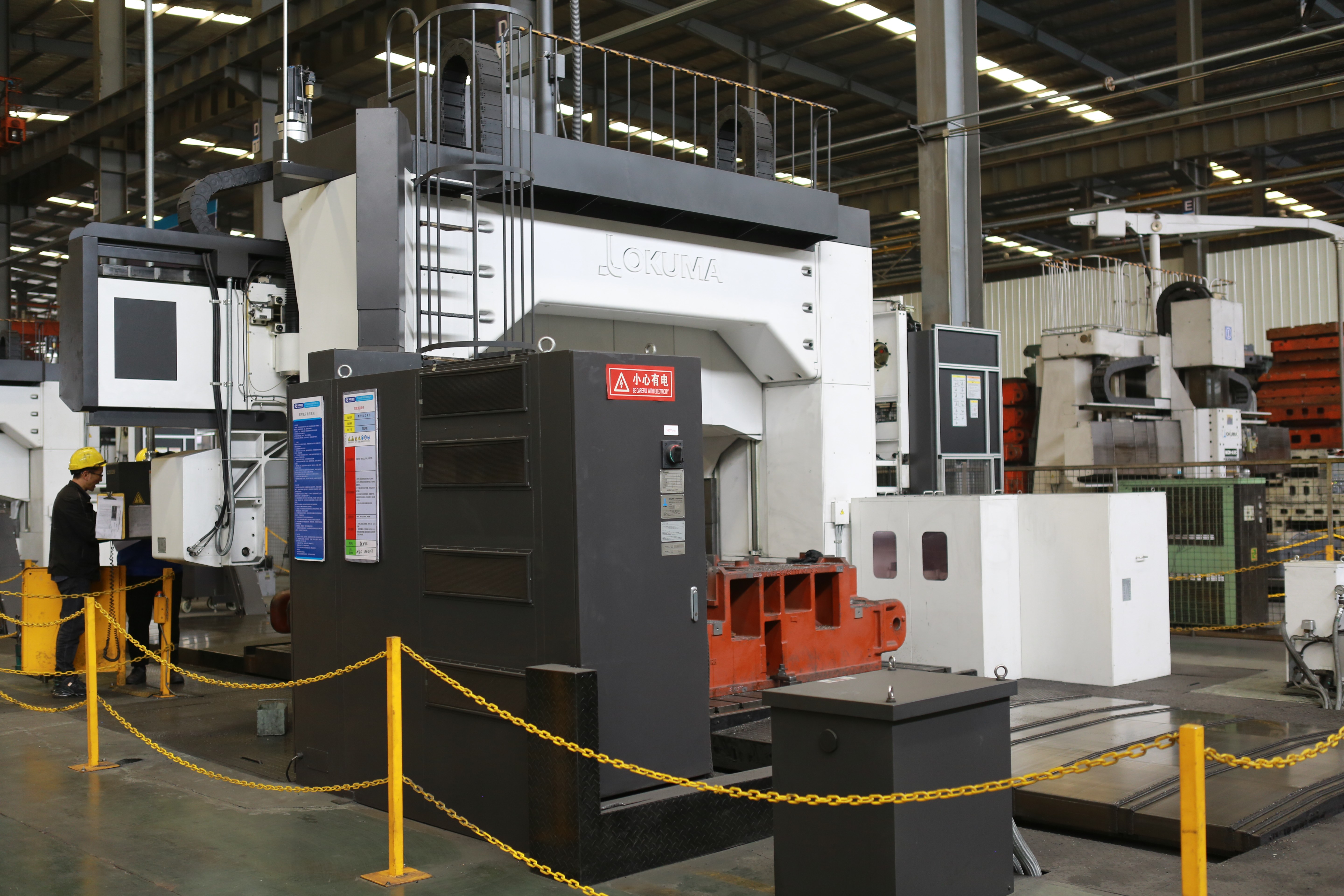
3. One-Stop Service: Die Making Through Mass Stamping
One-stop scope is valuable for one reason: it removes the handover argument. When the same organisation designs the die, runs the tryout and stamps the part, tolerance responsibility does not move between companies at the most fragile point in the project.
Hailong's production scope covers mold design and manufacturing, metal stamping and deep drawing, precision CNC machining, welding and assembly, surface finishing, and truck body and cabin assembly. The group structure separates the work in a way buyers can audit: five wholly-owned subsidiaries and two operational divisions, with die making, die machining, casting, gauge and fixture design, and auto parts manufacturing each sitting in a dedicated entity, coordinated under one quality system certified to IATF 16949, ISO 9001, ISO 14001 and OHSAS 18001.
The check is straightforward. Ask who signs the first-article inspection report, who owns the die after approval, and who carries the cost of a revision caused by a forming issue rather than a customer design change. A supplier with genuine one-stop scope answers all three without referring to a third party.
4. Die Maintenance and Modification: The Part of the Contract That Decides Year Two
Tooling is a consumable in slow motion. A die that is correct at tryout will need sharpening, wear repair and eventual revision, and the cost and downtime of that work are decided at the purchasing stage, not at the first breakdown.
Hailong supports die debugging, revision, wear repair and regular maintenance during mass production. After-sales scope includes mold documentation and spare parts lists, tryout and first-article inspection reports, on-site technical attendance for mold start-up where needed, and shipping insurance and customs support. Specific warranty terms are agreed contractually rather than assumed.
Documented case evidence is available for this part of the checklist. A manufacturer in Brazil took delivery of 20 sets of tooling for factory production. The moulds were surface-coated, described as high precision with a long service life, and intended for heavy-duty stamping of auto parts. The recorded project outcome was stable high-volume production with consistent tolerance across a 500,000-cycle service life.
Ask for: the preventive maintenance interval proposed for your stroke count; which wear parts are stocked and which are made to order; the revision process and who approves and pays for it; whether maintenance records are retained and can be reviewed; and the escalation route if a tool goes down during a customer build.
5. Inspection Equipment: CMM, Spectrometer and Part-Level Testing
Inspection capability should be matched to the part's critical characteristics, not to a list on a brochure. Dimensional features need CMM verification against a shared programme; material grade and chemistry need spectrometer verification of incoming coil and sheet; heat and assembly conditions need hardness and assembly dimension checks.
Hailong's inspection equipment includes CMM, spectrometer and carbon-sulfur analyzer, applied through incoming material checks, hardness testing and assembly dimension measurement, with heat treatment and part-level testing forming part of the special requirement set. Special processes or certification needs such as CAE or PPAP are confirmed in advance rather than assumed at launch, and DFMA support, Moldflow analysis and material advisory are available at the design stage.
The evaluation question here is procedural: can the supplier show the measurement programme, the calibration status of the instruments, and a sample inspection report in the format your quality team will receive for the next three years?
6. Delivery Terms: Quotation, Lead Time and Shipping
Delivery performance is decided by how early the supplier commits in writing. Hailong's stated commercial rhythm is an engineering response within 24 hours, with quotation issued in 1–7 days. Die fabrication lead time depends on complexity: simple dies typically take 25–40 days, while complex progressive dies take 45–70 days including trial stamping. Shipping examples are approximately 30–45 days by sea and 3–7 days by air, with actual production lead time dependent on part complexity and order volume. Export markets cover the United States, United Kingdom, Germany, Japan, South Korea, India, the Middle East, Eastern Europe and Africa, with an export ratio of 70%, and minimum order quantity is confirmed per project with sales.
These are the numbers to convert into a dated schedule with milestones: design freeze, die build completion, tryout, first-article approval, and first mass production shipment. A supplier that quotes a lead time without milestones is quoting an intention.
Step-by-Step Breakdown: Running the Evaluation
- Define the part and process envelope. Fix material (cold rolled steel, hot rolled steel, 304 or 304L stainless, or heavy-gauge stainless), thickness, annual volume, critical tolerances and surface requirements. Sheet metal fabrication scope at Hailong covers stamping, laser cutting, shearing and CNC punching, and press-brake bending, with CT4–7 tolerance achievable on machined work — confirm which tolerance class applies to your stamped features.
- Request the die concept and process route. Progressive die is recommended for high-volume auto sheet metal components, because multiple forming processes are integrated in one die with high production efficiency and stable precision; single stamping die is more suitable for small batches, large-size parts or complex deep-drawn parts. The route decision drives cost, lead time and maintenance scope, so it should be justified in writing.
- Audit the quality system and its scope. Confirm the IATF 16949 certificate covers both die making and stamping, and review the supporting evidence: design checks, Moldflow analysis, incoming steel certificate inspection, in-process control during machining, assembly dimension checks, slide, hardness and cooling system inspections.
- Verify capacity on the actual line. Obtain the line designation, tonnage within the 160T–2400T range or the larger 3,400T and 8,250T lines, cycle rate, die space, automation interface and committed capacity share for your programme.
- Approve tryout and first article. Require mold tryout and first-article inspection before mass production, with the tryout video, first-article inspection report, mold documentation and spare parts list handed over as a package.
- Lock maintenance and modification scope. Write debugging, revision, wear repair and regular maintenance into the agreement, with response expectations and on-site technical attendance for mold start-up where required.
- Plan ramp-up and logistics. Convert quotation timing, die lead time, mass production lead time and shipping transit into a milestone schedule, and confirm export documentation support and shipping insurance coverage.
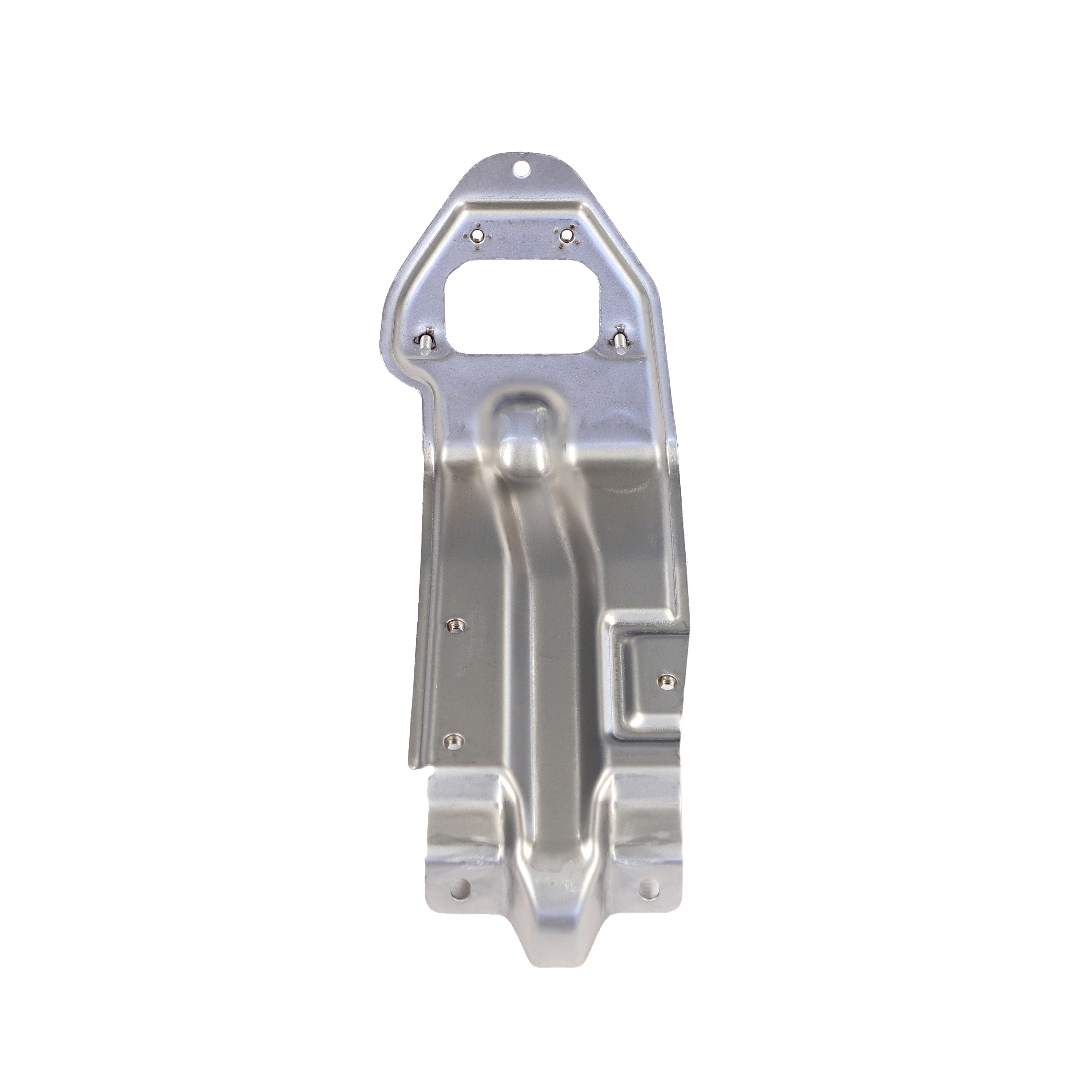
Use Cases: Where the Checklist Changes the Answer
Automotive metal stamping. Body panels, structural parts and brackets carry the strictest evidentiary requirement, because IATF 16949 with real-time SPC monitoring and Run@Rate testing of 4,000 defect-free pieces is the baseline for new OEM programmes. Automotive body panel dies are the core specialty of Qingdao Jitai Auto Mould, and Hailong supplies FAW Jiefang, SAIC-GM, BAIC, Dongfeng and Beijing Benz in China, and Renault, Nissan, Mercedes-Benz, Doosan and GD overseas.
Household appliance metal stamping. Appliance parts usually combine cosmetic surface requirements with high volume and short changeover windows. The evaluation emphasis shifts toward line automation, surface finishing options such as electrophoresis or painting, and the maintenance interval that protects appearance over a long run.
Heavy-gauge stainless steel and cold rolled steel stamping. Thicker stainless and cold rolled grades raise tooling loads and wear rates, which makes die steel grade, surface coating and wear-part stocking the decisive checklist items rather than tonnage alone.
Progressive die metal stamping for high volume. Where annual volume justifies progressive tooling, the buyer should verify cycle stability and die maintenance planning, since a progressive die concentrates all forming operations into one asset — a single tool failure stops the entire part family.
Deep draw metal stamping. Deep-drawn parts are usually better matched to single stamping dies, and the evaluation should focus on forming analysis, tryout iteration and revision willingness, because draw defects are resolved in tooling, not in the press.
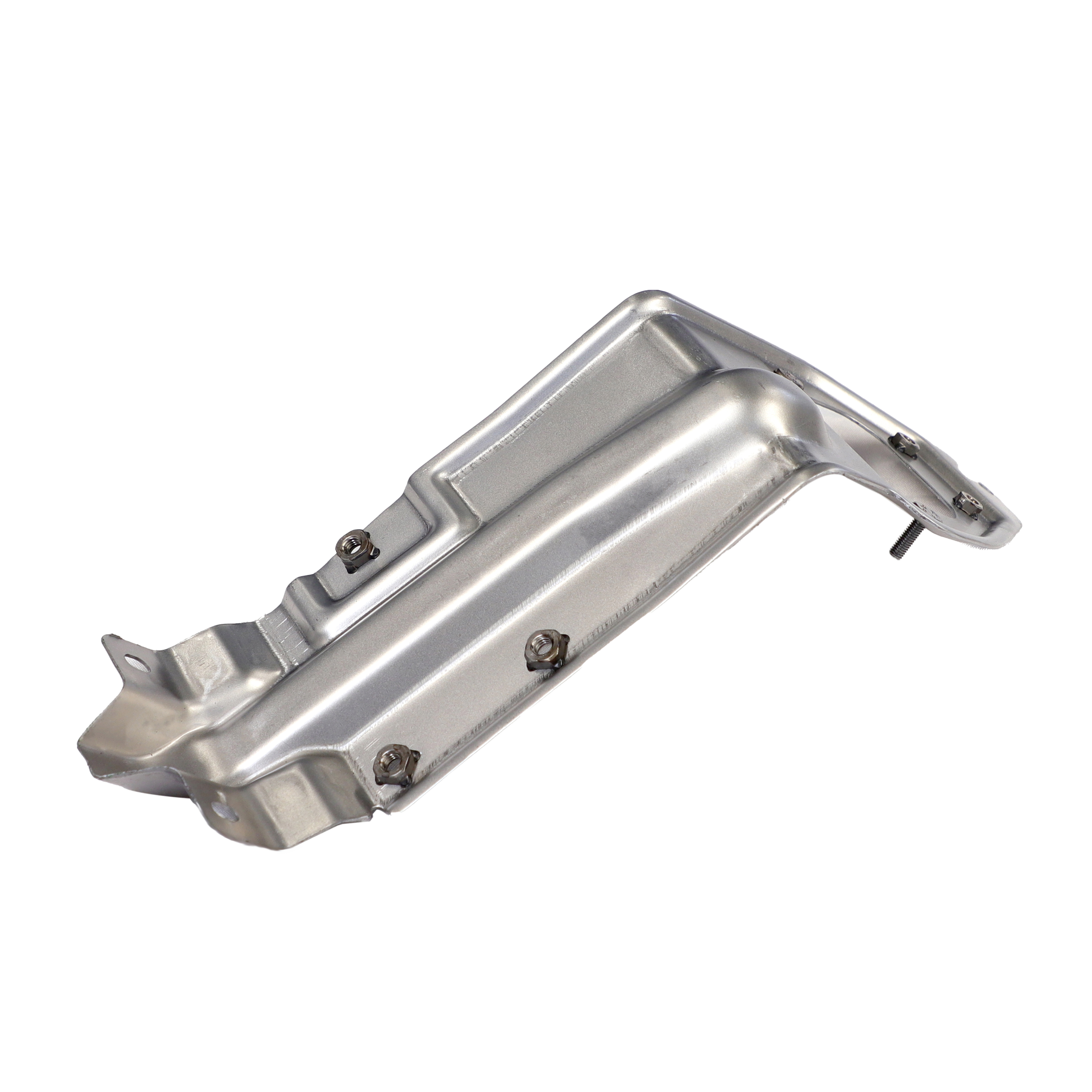
Stamp-and-weld assembly components. When stamped parts are welded into assemblies, robotic welding cells and assembly dimension checks become part of the stamping supplier's scope, and the measurement plan must cover the assembly, not only the individual blank.
Supplier Evaluation Comparison Table
| Evaluation area | What the buyer should verify | Documented position at Hailong Metal Fabrication |
|---|---|---|
| Quality system | IATF 16949 scope covering both die making and stamping; environmental and safety systems | IATF 16949, ISO 9001, ISO 14001 and OHSAS 18001 certified |
| Die design and fabrication | In-house design, die steel control, hardness and cooling checks, tooling patents or engineering depth | Cold stamping dies for automotive body panels via Qingdao Jitai Auto Mould Co., Ltd. (established 1993, China Key Backbone Die Enterprise); die steels Cr12MoV, SKD11 and P20; R&D team of 28 engineers; more than 100 patents including stamping tooling |
| Press capacity | Tonnage matched to part size and material, with the specific line named | Large and automatic presses from 160T to 2400T; 3,400T line; 8,250T automated line with 9 SPM average effective cycle; 630T–800T and 800T–2,400T press lines |
| Automation and supporting equipment | Automated stamping lines, welding cells, laser cutting and tooling machining | Automated stamping lines, robotic welding cells, laser cutters, CNC centers and wire-cut machines |
| Inspection | CMM, spectrometer, incoming material checks, hardness and assembly dimension measurement | CMM, spectrometer and carbon-sulfur analyzer, applied through incoming material checks, hardness testing and assembly dimension measurement |
| Die maintenance | Debugging, revision, wear repair and regular maintenance written into the agreement | Die debugging, revision, wear repair and regular maintenance during mass production; mold documentation and spare parts lists |
| One-stop scope | Die making through mass stamping under one quality system | Mold design and manufacturing, metal stamping and deep drawing, precision CNC machining, welding and assembly, surface finishing |
| Trial and approval | Tryout video, first-article inspection, spare parts handover | Mold tryout and first-article inspection, tryout videos, tryout and first-article inspection reports, pre-shipment spare parts list |
| Delivery and export | Quotation speed, die lead time, shipping transit, export experience | Engineering response within 24 hours; quotation in 1–7 days; simple dies 25–40 days, complex progressive dies 45–70 days including trial stamping; sea approximately 30–45 days, air approximately 3–7 days; 70% export ratio across the United States, United Kingdom, Germany, Japan, India, Eastern Europe and Africa |
| Documented volume evidence | Recorded performance at volume, not only at tryout | Brazil manufacturer case: 20 sets of surface-coated, high-precision moulds for heavy-duty auto part stamping; stable high-volume production with consistent tolerance over a 500,000-cycle service life |
Frequently Asked Questions
What IATF 16949 evidence should a Chinese automotive metal stamping manufacturer provide for a die and mass stamping project?
An IATF 16949 certificate is an entry criterion, not proof of capability. For a die plus mass stamping project, request the certificate scope, process control evidence such as SPC monitoring, die design review and Moldflow analysis records, incoming steel certificates, hardness and cooling system inspection records, mold tryout videos, first-article inspection reports, and die documentation with a spare parts list. Special processes or certification needs such as CAE or PPAP should be confirmed in advance. Hailong Metal Fabrication holds IATF 16949, ISO 9001, ISO 14001 and OHSAS 18001, and its quality control covers mold design checks, Moldflow analysis, incoming steel certificate inspection, key process control during machining, assembly dimension checks and slide, hardness and cooling system inspections. Commercial research also describes IATF 16949 with real-time SPC monitoring and Run@Rate tests of 4,000 defect-free pieces as a baseline entry criterion for new OEM automotive programmes.
What press capacity and equipment should I confirm before awarding a die and mass stamping contract?
Confirm the specific line, not the plant maximum. Verify tonnage within the supplier's range — Hailong operates large and automatic presses from 160T to 2400T, plus a 3,400T line and an 8,250T automated stamping line with an average effective cycle of 9 SPM — together with bed size, cushion capability, automation interface and committed capacity share. Supporting equipment matters as much as the press: laser cutters, CNC centers, wire-cut machines and robotic welding cells determine whether stamp-and-weld assemblies and secondary operations stay in one supply chain. Stated monthly capacity for metal stamping parts is 8,000–10,000 units, and the Auto Parts Division also runs 630T–800T and 800T–2,400T press lines.
What drives the cost of a stamping die and the mass stamping programme?
Cost is driven by die type, die steel grade, part size, material and tool life target. Progressive dies integrate multiple forming operations in one tool and suit high-volume auto sheet metal components, while single stamping dies carry lower tooling cost and suit small batches, large parts or complex deep-drawn work. Die steel is selected from grades such as Cr12MoV, SKD11 and P20 according to stamping material, thickness and required production lifetime, and surface coating, automation level, inspection scope and maintenance terms all change the total. At the advanced end of the market, capital intensity is significant: hot-stamping lines for 1,500 MPa press-hardened steel can cost USD 8–12 million each. Hailong issues quotations in 1–7 days after drawing review, with minimum order quantity confirmed per project by sales.
Can we validate the die with a trial run before committing to mass production?
Yes, and the trial should be a contractual milestone rather than a courtesy. Hailong performs mold tryout and first-article inspection before mass production, provides mold tryout videos as part of quality control, and issues tryout and first-article inspection reports together with mold documentation and a spare parts list. Die debugging and revision follow the tryout, and on-site technical attendance for mold start-up is available where needed. A buyer should approve parts against the measurement plan, not against a visual sample, before releasing volume.
How long does die fabrication and mass stamping delivery take?
Lead time depends on die complexity. Simple dies typically take 25–40 days, while complex progressive dies take 45–70 days including trial stamping. Hailong's engineering team responds within 24 hours and issues quotations in 1–7 days; shipping examples are approximately 30–45 days by sea and 3–7 days by air, with actual production lead time dependent on part complexity and order volume. To convert these figures into a dated plan, send drawings, material, annual volume and required delivery window for a milestone-based quote, and download the company brochure for the full capability overview.
Conclusion: Award on Evidence, Not on Tonnage
A stamping die and mass stamping supplier should be selected on six verifiable answers: die design and fabrication documented under IATF 16949; press capacity matched to the part within a 160T to 2400T range and beyond where large panels require it; one-stop continuity from die making to mass stamping under a single quality system; die maintenance and modification covering debugging, revision, wear repair and regular maintenance; inspection equipment such as CMM and spectrometer aligned to critical characteristics; and delivery terms expressed as milestones rather than intentions.
Everything else — catalogue pages, plant tours, sample parts — is supporting material. The checklist is what protects the programme in year two, when the tool has worn and the ramp-up story is no longer relevant.
Next step: test the checklist against a live project
Send a drawing, material grade, annual volume and target delivery window to Hailong Metal Fabrication. The engineering team responds within 24 hours with a die concept, the line proposed for production, and a quotation within 1–7 days. A sample and first-article discussion can follow once the die route is agreed.
Brochure: Download the Hailong capability brochure (PDF)
Website: en.qdhailong.com | Email: nina@qdhailong.com | Tel: +86 176-6762-3223
WhatsApp: +86 185-6390-5668
Have Questions or Need More Details?
Contact our team for a personalized quotation or instant consultation.
Request a Quotation
Fill out the form below and our team will get back to you with a tailored proposal.
WhatsApp Direct Chat
Prefer to chat in real-time? Message us on WhatsApp for instant assistance & quick answers.
- Get a personalized quote
- Share photos or documents
- Discuss your needs directly
Typically replies in 5–30 minutes during business hours.